
Diaspora Tourism is rising worldwide, and the movement shows no signs of slowing. Black travelers everywhere feel a growing desire to reconnect with their history, culture, and lineage. Many now seek journeys that go beyond relaxation. They want travel that answers questions about identity, ancestry, and belonging. Diaspora Tourism helps them reclaim stories lost through migration, displacement, and centuries of separation. It turns travel into a personal mission full of meaning, pride, and emotional depth. As this demand increases, tourism leaders, cultural institutions, and global destinations take notice. They now create experiences built around heritage, healing, and cultural awakening, making Diaspora Tourism one of the most powerful travel trends of the decade.
A Powerful Movement Rooted in Identity
Diaspora Tourism rises because identity matters. Many Black travelers want to understand where their stories began. They want more than DNA results or family records. They want to stand on ancestral soil, breathe the air of their origins, and see the landscapes that shaped generations long before them. This personal search creates a strong emotional pull. Travelers want to fill gaps in their history and reclaim narratives that were taken or hidden. This connection to identity makes Diaspora Tourism different from traditional vacations. It becomes a spiritual journey that shapes self-understanding and renews cultural pride. Each step becomes a tribute to ancestors and a way to carry their legacy forward.
Healing Through Connection to Ancestral Lands
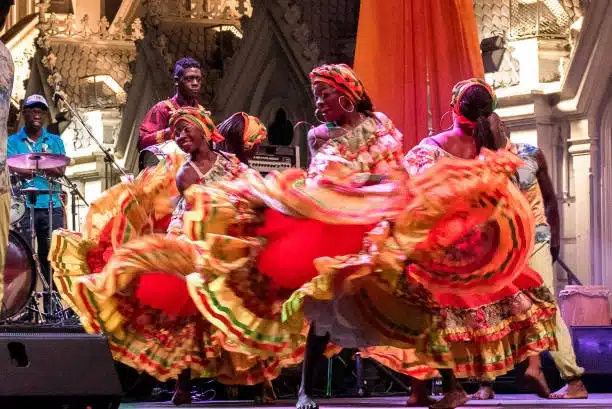
One of the most powerful reasons behind the growth of Diaspora Tourism is healing. Many travelers carry emotional wounds tied to displacement, generational trauma, and lost heritage. Visiting ancestral lands brings healing that feels real and transformative. Countries like Ghana, Senegal, Sierra Leone, and Nigeria welcome travelers with deep cultural respect. Travelers walk through historic sites, honor ancestors, and learn truths that were hidden or misrepresented. This emotional experience often brings tears, reflection, and a sense of release. Diaspora Tourism becomes a bridge between pain and peace. It helps visitors carry their history with pride rather than sorrow. This healing draws thousands of travelers each year who want to reconnect and rebuild the ties that history attempted to break.
The Search for Cultural Belonging
Cultural belonging plays a huge role in the rise of Diaspora Tourism. Many travelers spend their lives seeking a sense of comfort and identity that mainstream society often fails to give. In Africa and other ancestral regions, they find spaces where culture feels familiar, not foreign. They experience traditions that mirror practices passed down through families for generations. They meet people who look like them and understand their shared history. This sense of belonging brings joy and emotional grounding. It helps travelers understand that they are part of a global community with deep cultural roots. Diaspora Tourism offers that feeling in a powerful, unforgettable way.
Economic Power and Community Support
Diaspora Tourism also grows because Black travelers want their spending to create impact. They want to support communities that reflect their culture and history. They choose local hotels, restaurants, tour guides, artisans, and cultural centers. Their travel dollars help stimulate economic growth in regions that need investment. Many destinations create programs that encourage entrepreneurship, cultural preservation, and community-led tourism practices. This creates a powerful cycle of empowerment. Travelers feel proud knowing their money supports businesses that protect culture and uplift local people. Diaspora Tourism becomes a tool for change, allowing both travelers and communities to grow together.
A Desire for Authentic Experiences
Authenticity drives modern travel, and Diaspora Tourism delivers it on a deeper level. Many travelers are tired of mainstream tourism that focuses on beaches, resorts, and commercial attractions. They want real moments that carry meaning. Diaspora Tourism gives them history, tradition, and personal discovery. Travelers visit museums, cultural centers, memorials, historical forts, and ancestral villages. These visits help them understand the experiences of the people who came before them. They learn about migration, resilience, innovation, and strength. They find truth and perspective. Authenticity becomes the heart of the journey, turning Diaspora Tourism into a life-changing experience rather than a typical vacation.
Social Media’s Influence on Diaspora Travel
Social media accelerates the rise of Diaspora Tourism in a powerful way. Travelers share photos and videos from trips across Africa, the Caribbean, and South America. They show breathtaking landscapes, joyful festivals, warm communities, and meaningful cultural activities. These shared moments spark curiosity and inspiration. They change old misconceptions and encourage others to explore places they once overlooked. Influencers, vloggers, and everyday travelers talk openly about the emotional impact of reconnecting with their roots. Their posts spread across TikTok, Instagram, and YouTube, reaching millions of people. Social media turns Diaspora Tourism into a visible, inspiring movement that keeps growing each year.
Destinations Welcoming the African Diaspora
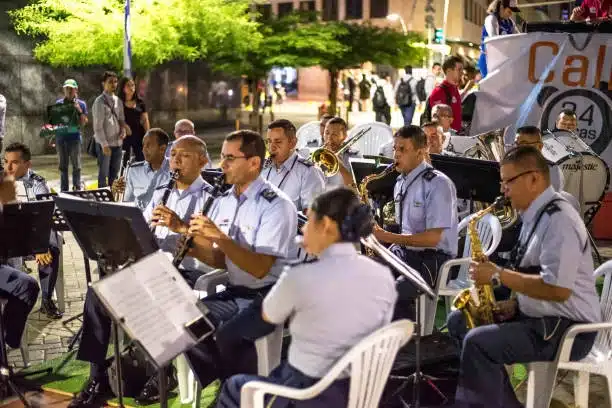
Many destinations now actively support Diaspora Tourism because they recognize its cultural and economic value. Ghana remains a leader, especially after the landmark Year of Return in 2019. Its cultural festivals, heritage tours, and investment opportunities attract travelers from around the world. Senegal honors ancestral history through powerful memorials and coastal sites that tell stories of courage and loss. Sierra Leone offers repatriation programs and community-based tourism that welcomes descendants with open arms. Nigeria showcases vibrant cities, cultural traditions, and historic landmarks tied to ancient kingdoms and empires. Caribbean islands also take pride in attracting diaspora travelers through food, music, and cultural celebrations. These destinations provide spaces where visitors feel accepted and supported. Diaspora Tourism becomes a shared journey that unites families, communities, and nations.
Conclusion
Diaspora Tourism continues to expand because it offers something deeper than traditional travel. It gives Black travelers the chance to explore identity, build cultural pride, and reconnect with ancestral heritage in meaningful ways. This movement promotes healing, authenticity, empowerment, and cultural preservation. As more travelers return to their roots, Diaspora Tourism becomes one of the most influential forces in global tourism today. It strengthens communities, restores cultural stories, and inspires generations to honor their past while shaping their future. The rise of Diaspora Tourism marks the beginning of a new era where travel becomes a pathway to truth, unity, and self-discovery.
Other Articles

Black Digital Nomads Are Redefining Remote Work Across the Globe
Top Black-Owned Resorts and Retreats to Visit This Year


