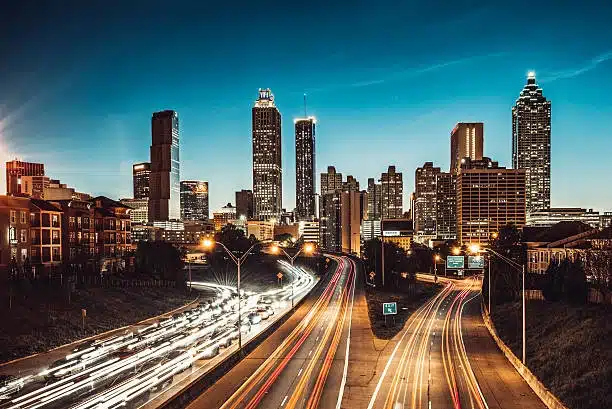
Atlanta has many cars on streets every single day. Traffic moves slowly and causes stress for many drivers. Streets are full of buses, trucks, vans and private cars. Worst Traffic in 2025 shows major jams in key areas. Many people live far from work and commute daily. The city is building new roads to reduce pressure. Drivers need patience, skill and planning to reach work. Traffic affects commute times, fuel use and daily mood. People plan trips carefully to avoid heavy streets and jams. Long traffic hours waste time for families and workers. Commuters try different routes to save minutes every day. Streets are busy all mornings afternoons evenings and nights. City planners study traffic patterns to improve flow each year. Everyone must follow rules to stay safe while driving.
Population Growth Pressure
Atlanta grows fast each year and streets get busier. More cars fill streets in mornings afternoons evenings and nights. Suburbs expand rapidly and increase travel distances for commuters. Population growth adds stress to main streets, highways and bridges. Traffic in 2025 shows heavy jams during peak hours daily. Many new drivers do not know major roads very well. Public Transport cannot remove all cars from streets or highways. The city builds new roads, lanes and bridges to reduce pressure. Drivers watch population growth to avoid crowded areas and jams. Construction adds short delays while the city improves streets slowly. Roads are often busy during weekends, event days and holidays. Traffic planning is important to manage congestion in neighborhoods. Drivers need to plan early trips to avoid peak hours.

Work Commute Delays
Commuting causes heavy traffic in Atlanta every single day. Many people drive long distances to reach their offices or jobs. Morning and evening hours are the worst for traffic flow in the city. Worst Traffic in 2025 shows jams in all business zones. Cars move slowly on main streets, highways, bridges and roads. Delays waste fuel money and increase stress for drivers. Drivers use apps to find fast routes around traffic jams. Some workers change work hours to avoid busy roads daily. Flexible schedules help reduce congestion at busiest times in day. Planning a commute saves minutes and reduces stress for families. Roads are crowded in every neighborhood near work locations. Many drivers leave home early to reach offices on time. Traffic planning helps families arrive safely at school and work. Workers must plan alternative routes if main roads are busy.
Road Construction Delays
Construction adds more delays to Atlanta streets every single day. Repairs lane closures and projects slow cars greatly in all areas. Traffic in 2025 shows long backups near work zones daily. Projects improve streets but slow cars for short time periods. Drivers face detours, reduced lanes and blocked streets each day. Crews work day and night on main highways and streets. City plans try to balance traffic flow while Fixing Roads. Many areas face delays because of multiple projects at once. Patience is key for drivers near construction zones every day. Roads will improve later but traffic stays high for months. Drivers must watch signs, signals and cones to avoid accidents. Construction affects traffic in neighborhoods, highways, streets and bridges. Drivers plan trips carefully to avoid heavy construction areas daily.
Public Transit Options
Transit reduces cars on Atlanta streets but only slightly for now. Buses, trains, shuttles and metro serve city and suburban areas. Many people still drive for faster flexible travel every single day. Worst Traffic in 2025 shows transit use is rising slowly over years. Carpooling and ride-share help reduce the number of cars on streets. City plans expand transit networks to reduce jams over time. Bike lanes, sidewalks and walking paths are being added to the city. Transit is crowded during morning evening and weekend peak hours. People combine transit with short drives to save commute time. Transit upgrades will help reduce traffic slowly over coming years. Drivers must learn alternative routes while waiting for transit improvements. Transit also reduces fuel use stress and road wear for drivers. Riders plan schedules to match bus train and shuttle timings daily.
Events Impact on Roads
Atlanta hosts sports concerts, festivals, shows and expos each year. Events increase cars, buses, vans and taxis on main streets. Tourist traffic adds to daily congestion in busy areas of the city. Traffic in 2025 shows heavy jams near venues during events. Parking shortages make traffic worse and slow all drivers daily. Drivers plan routes carefully to avoid event areas and roads. Hotels and venues provide tips for safe travel near events. Many locals change schedules to skip event traffic delays in the city. Traffic plans help manage big sports games shows and festival days. Events increase congestion but also help the local economy and city growth. Large gatherings add temporary stress to streets, highways and bridges. Traffic is heavier on weekends, holidays evenings and special event days.
Technology in Traffic Management
Atlanta uses cameras, sensors, GPS apps and new systems to track streets. Technology helps city staff see traffic patterns clearly every single day. Apps guide drivers to avoid slow areas, streets and roads quickly. Traffic in 2025 shows tech reduces some jams temporarily for drivers. Smart signals Improve Commute times on main streets, highways and bridges. Tech shows accidents, hazards, blocked streets and unsafe areas to drivers. New systems help traffic flow more smoothly in city streets daily. Drivers who use apps save time, reduce stress and avoid jams. Combining planning technology and apps makes trips faster and safer every day. Sensor data helps improve streets traffic patterns, routes and commute times. Technology is key to guide drivers, reduce delays and improve flow. New tools will help reduce traffic in future years gradually.
Conclusion
Atlanta ranks high for Worst Traffic in 2025 among U.S. cities. Population growth commuting construction events traffic and cars add pressure. Drivers need planning patience, skill, focus and attention every single day. Transit ride-share apps and technology reduce some travel delays for drivers. The city works to improve streets lanes, highways and traffic flow. Congestion stays high as population work hubs events and cars grow. Awareness planning early trips and route choices help save fuel and time. Traffic affects work, school daily life safety and stress for many. Atlanta is a vibrant growing dynamic but faces major traffic challenges daily. Smart drivers who plan trips, routes and schedules can move efficiently. Roads will improve slowly as the city invests in transport and streets. Drivers who adapt traffic patterns reach destinations faster every single day.
Other Articles

Best Warm Weather Escapes for Winter 2025