
Travel has always been surrounded by ritual, tradition, and a touch of mystery. Across cultures, people hold onto unique customs meant to protect travelers, bring good luck, or keep misfortune away while on the road. These travel superstitions around the world often seem quirky, but they reflect deep cultural histories and beliefs passed down through generations. Whether it’s throwing coins in a fountain or avoiding certain days to start a journey, these traditions remind us that travel is more than movement—it’s an experience tied to meaning and myth.
1. Russian Travel Superstitions: Sitting Before a Journey
In Russia, one of the most well-known travel superstitions is to sit quietly for a moment before leaving on a trip. Families often pause together in silence, allowing travelers to gather their thoughts and ensure a safe journey. This ritual is believed to prevent bad luck and forgotten items. Even today, many Russians won’t leave for a trip without observing this custom. Learn More
2. Japanese Travel Superstitions: Lucky Daruma Dolls
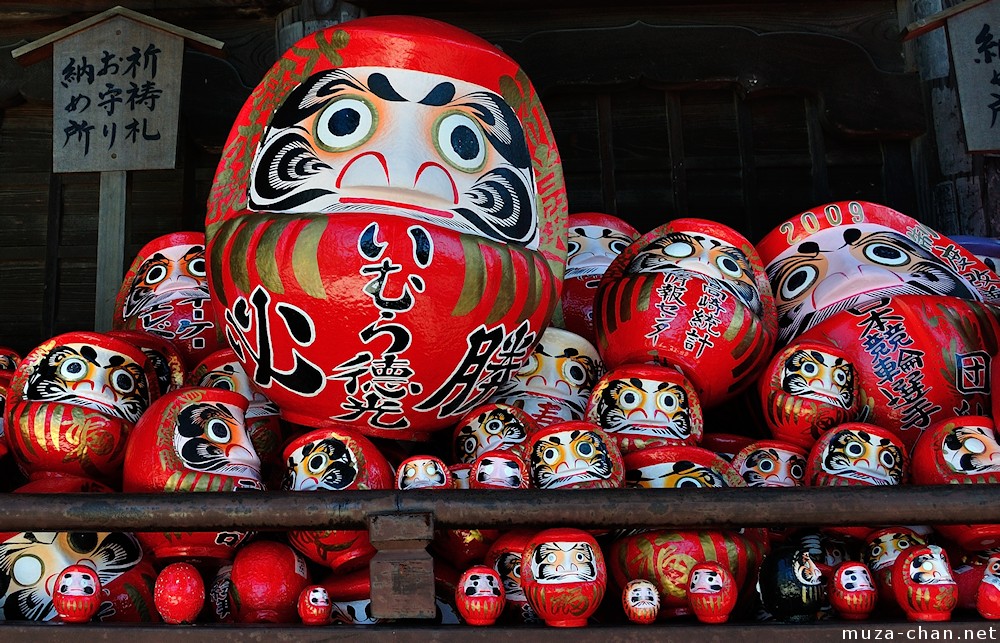
In Japan, travelers often turn to Daruma dolls—small round figures representing perseverance and luck. It’s common to paint one eye on the doll when making a travel wish, and the other once the wish has come true. For journeys, Daruma dolls are believed to keep travelers safe and help them reach their destination successfully. This colorful superstition combines art, culture, and a little extra luck for the road. Learn More
3. Greek Travel : Avoiding Tuesdays
In Greece, many people avoid starting journeys on Tuesdays, particularly Tuesday the 13th, which is considered unlucky. This stems from historical events, including the fall of Constantinople on a Tuesday. For travelers, this superstition means rescheduling trips if possible to avoid bad omens. While not everyone follows it strictly today, the belief still lingers as part of Greek culture.
4. Indian Travel Superstitions: Black Cats and Right Foot First
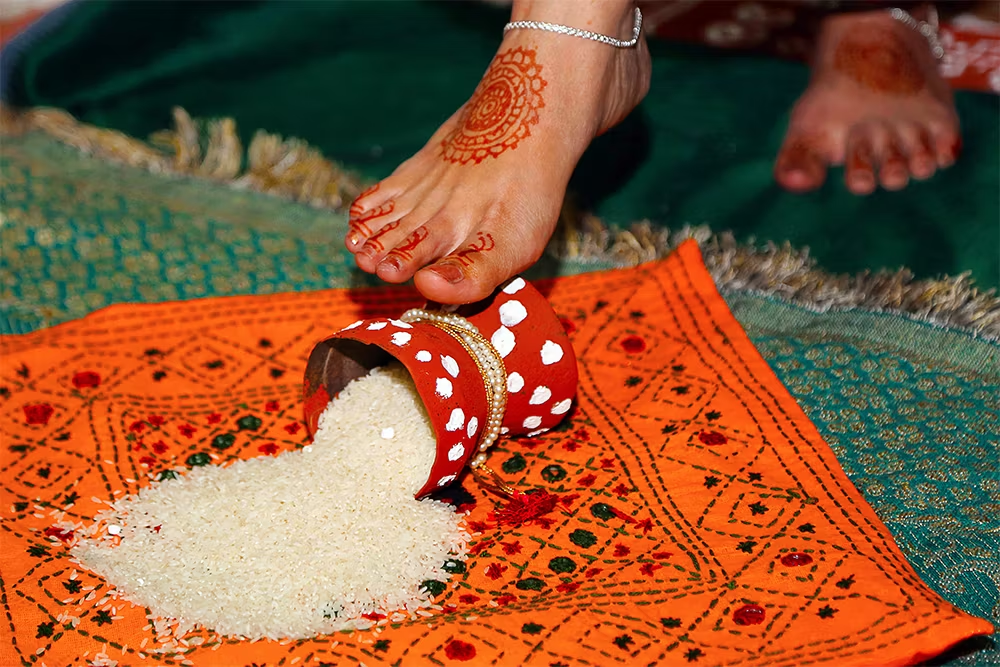
In India, travel superstitions include avoiding crossing paths with a black cat before leaving, as it’s considered bad luck. Similarly, many people believe that stepping out with the right foot first brings good fortune. These customs are deeply rooted in cultural traditions, blending spiritual beliefs with everyday travel habits. They remind travelers to be mindful of signs before beginning their journey.
5. Italy: Bread and Salt for Good Luck
In Italy, bringing bread and salt on a journey is thought to ensure good luck and safe passage. This superstition is tied to prosperity and abundance, with bread representing nourishment and salt symbolizing protection. Travelers might carry small packets as tokens, believing they’ll ward off misfortune during trips. Even if not practiced widely today, it reflects the deep symbolism tied to everyday travel.
6. South America: Walking Around the Block with a Suitcase
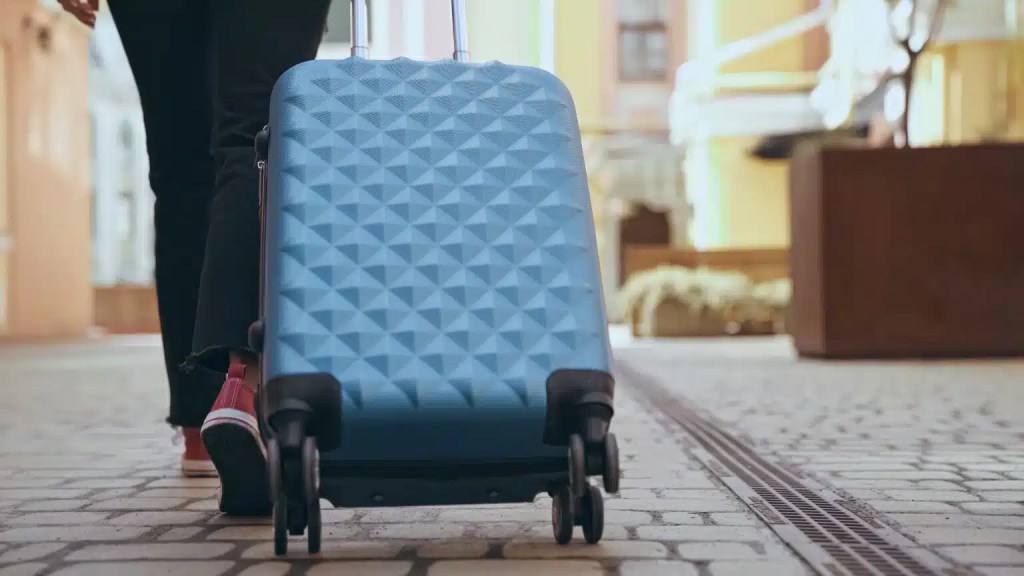
In countries like Colombia and Ecuador, New Year’s Eve often includes the tradition of walking around the block with an empty suitcase. According to this travel superstition, the ritual ensures a year full of exciting journeys and adventures. The suitcase doesn’t need to be packed—it’s the act of symbolizing future travel that matters. This lighthearted tradition has become a festive way to invite luck for upcoming trips.
Conclusion
From Russia’s quiet moments before departure to South America’s suitcase strolls, travel superstitions around the world reveal just how deeply journeys are tied to tradition and belief. While some customs may seem unusual, they reflect the universal hope for safe travels, new adventures, and good fortune. Next time you pack your bags, consider adopting one of these quirky rituals—you never know, it might just bring a little extra luck on the road.
Do you have a travel superstition you follow—or have you witnessed a strange one abroad? Share your story in the comments and keep the tradition of global travel folklore alive! Dive Deeper Here
Other Articles

Cruise Experiences for Beginners: Your First Voyage Made Easy
Underwater Museums and Sculpture Parks You Can Dive Into


[…] may include private access to museums, cultural centers, and workshops. Travelers gain knowledge About Traditions, achievements, and identity during each tour. Curated experiences ensure meaningful connections […]