
Traveling becomes richer and more rewarding when you can connect with locals in their own language. By focusing on the easiest languages to learn for travel, you can quickly pick up useful words and phrases that make your adventures smoother and more meaningful. These languages have short learning curves, fun vocabulary, and practical benefits that give travelers a big payoff for a small investment of time. Even a handful of phrases can change how you experience a destination — opening doors to authentic interactions, smoother navigation, and stories you’ll remember long after your trip ends.
1. Why Learning the Easiest Languages to Learn for Travel Can Transform Your Trip
Language is more than just words — it’s a key to connection. Even basic phrases in the local language can shift your travel experience in powerful ways:
- Stronger Local Connections: A simple “hello” or “thank you” in the native tongue often sparks smiles and warmer interactions. Locals appreciate the effort and may respond with friendliness that goes beyond transactional exchanges.
- Improved Service Quality: Hotel receptionists, taxi drivers, and shopkeepers may be more willing to help when they see you’ve made the effort to speak their language.
- Access to Non-Touristy Spots: Locals might share hidden beaches, family-run cafés, or cultural events that aren’t listed in guidebooks.
- Cultural Respect: Speaking even a little of the local language shows you value and respect their culture, which can leave a lasting positive impression.
2. How to Identify the Easiest Languages to Learn for Travel

Not all languages are created equal when it comes to learning speed — especially for English speakers. Here’s what to look for:
- Similarity to English: Languages that share Latin roots (like Spanish, Italian, and French) often have familiar words and sentence structures.
- Simple Grammar Structures: Fewer verb conjugations, minimal gender rules, and predictable word order make learning faster.
- Phonetic Spelling: Languages where words are pronounced as they’re written, such as Spanish and Indonesian, reduce confusion.
- Abundant Learning Resources: Popular languages have free apps, YouTube channels, and podcasts that make practicing easy.
- Global Reach: Some “easy” languages are spoken in multiple countries, maximizing your travel return on investment.
3. The Easiest Languages to Learn for Travel and Where They’ll Take You
Below are seven languages that hit the sweet spot of being practical, widely spoken, and quick to pick up for English speakers.
3.1 Spanish – A Must-Have for Travelers Across 20+ Countries
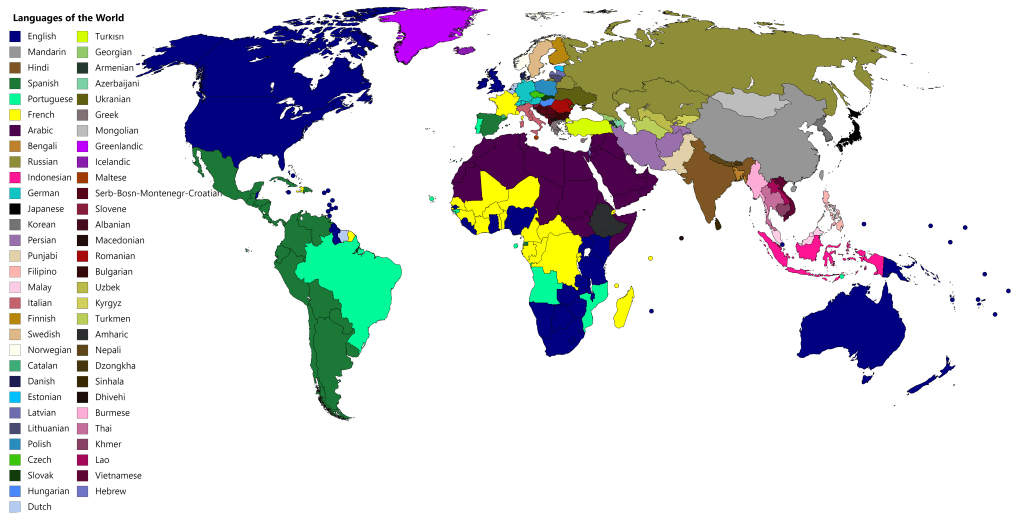
- Global Presence: Spoken across Latin America, Spain, and parts of the United States.
- Ease of Pronunciation: Almost entirely phonetic, meaning you pronounce it as you see it.
- Travel Benefits: Perfect for ordering food, negotiating taxi fares, or asking for directions across much of the Americas.
- Learning Tip: Focus on travel verbs — “quiero” (I want), “necesito” (I need), and “busco” (I’m looking for).
3.2 Italian – The Perfect Language for Foodies and Romance Seekers
- Musical Flow: Its rhythmic pronunciation makes it easier to remember and repeat.
- Cultural Access: Essential for navigating Italy’s family-run restaurants, vineyards, and local markets.
- Similar Vocabulary: Shares many words with Spanish and French, giving you a head start.
- Learning Tip: Memorize phrases related to food and directions for maximum impact
3.3 French – The Elegant Language of Global Tourism
- Worldwide Utility: Spoken in more than 25 countries, including Canada, Switzerland, Morocco, and Senegal.
- Cultural Significance: Unlocks deeper experiences at art galleries, cafés, and local tours.
- Grammar Challenge: Stick to present tense for quick wins when starting out.
- Learning Tip: Master polite expressions like “s’il vous plaît” (please) and “excusez-moi” (excuse me) to instantly improve interactions.
3.4 Portuguese – Not Just for Brazil: Unlocking Lusophone Destinations
- Geographic Range: Spoken in Portugal, Brazil, Mozambique, and Angola.
- Spanish Crossover: Easier to learn if you already know some Spanish due to similar vocabulary.
- Travel Perks: Helps when exploring Lisbon’s neighborhoods or dancing at Rio’s Carnival.
- Learning Tip: Start with Brazilian Portuguese for its clear pronunciation and abundant resources.
3.5 Indonesian – The Easiest Asian Language for Beginners
- Straightforward Grammar: No verb conjugations or plural forms to memorize.
- Pronunciation: Simple and consistent for English speakers.
- Travel Benefits: Essential for island-hopping and bargaining at local markets.
- Learning Tip: Learn numbers, greetings, and bargaining phrases to use daily.
3.6 Swahili – Your Gateway to East African Adventures
- Logical Structure: Words are pronounced exactly as written.
- Widespread Use: Spoken across Kenya, Tanzania, Uganda, and the Democratic Republic of Congo.
- Travel Experiences: Makes safaris, market visits, and cultural tours richer.
- Learning Tip: Master greetings like “Jambo” (hello) and “Asante” (thank you) first.
3.7 Dutch – Small Language, Big Travel Advantages
- Language Familiarity: Many words resemble English, making it quick to learn.
- Regional Use: Spoken in the Netherlands, Belgium, and Caribbean islands such as Aruba and Curaçao.
- Social Benefits: Locals appreciate your effort even if they switch to English.
- Learning Tip: Focus on café, train, and shopping vocabulary for urban travel.
4. Quick Learning Hacks for the Easiest Languages to Learn for Travel
You don’t need hours of study each day to get conversational before a trip. Try these proven strategies:
- App-Based Learning: Use apps like Duolingo, Babbel, and Memrise for bite-sized daily lessons.
- Cultural Immersion at Home: Watch movies, listen to songs, and follow social media influencers in your target language.
- Phrase Prioritization: Focus on greetings, numbers, directions, and food orders before anything else.
- Native Speaker Practice: Platforms like iTalki or HelloTalk let you practice with locals before you travel.
- Micro-Learning: Dedicate 10–15 minutes daily during commutes, coffee breaks, or right before bed.
Conclusion: Why Learning Even a Little Goes a Long Way in Travel
Learning a new language doesn’t have to mean becoming fluent. Sometimes, just a handful of well-pronounced phrases can open doors you never knew existed. Locals are often pleasantly surprised when travelers greet them in their native tongue — leading to friendlier interactions, insider tips, and unforgettable memories.
Start with just one language before your next trip. With the right strategies, you’ll be surprised how quickly you can learn enough to make your travels smoother, richer, and more connected. Learn more!
Other Articles

Unusual Travel Souvenirs Travelers Actually Bring Back
Best Fall Destinations for Cozy Getaways


