
Travel is possibly the best thing about having it anywhere—traveling to the world, learning something new, and knowing about other people’s cultures. The experience, however, for Black travelers, is usually marred by concerns of security, representation, and inclusion. The presence of social media, color communities, and travel communities of digital nomads has given Black travelers the platform on which they can comment, recommend good places, and offer real-time commentary of where they are accepted, where they are seen and appreciated.
- This book travels to the most welcoming and inclusive destinations for Black visitors, by cultural identity, community hospitality, representation, and security. It’s also packed with advice and facts to make travel as liberating and enjoyable as possible.
1. Ghana: A Cultural Homecoming
Ghana is now one of the world’s leading destinations for Black visitors to come and experience cultural reconnecting and homelike. Ghanaians’ welcoming nature, solidarity, and expression of the African diaspora make Ghana an excellent destination for inclusive tourism.
2. South Africa: Beauty, Diversity, and Historical Insight
The land Nelson Mandela lived in and the capital city where the struggle for the end of apartheid was in top gear, South Africa is huge to Black tourists with an interest in social justice, civil rights, and reconciliations.
The nation has a great reputation for being multiracial and multicultural. Township tours, black businesses, music and cuisine, and sites such as the Apartheid Museum attempt to portray a view of representation and belonging. The nation is also extremely safe for tourists, particularly in tourist spots and urbanized cities, if they are careful.
3. Jamaica: Island Hospitality and Afro-Caribbean Culture
Jamaica is a destination with its beautiful beaches and reggae, where Black tourists can attain high cultural comfort and identification. With an over 90% Black population, sojourn comfort, where tourists never feel like strangers and experience less racial microaggression elsewhere, is common.
From Maroon resistance heritage discovery to Rastafarian religious heritage experience, Jamaica offers varied heritage experiences. Urban-themed destinations like Kingston, Negril, and Montego Bay have cultural experiences and resort leisure. Local hosts and local tour operators would prefer emphasizing heritage, identity, and belonging.
4. Brazil: Afro-Brazilian Heritage and Vibrant Culture
Brazil boasts the largest Black diaspora community on the entire African continent and is highly populated with Afro-Brazilian culture. Salvador city in the Bahia state is very open to receiving Black tourists. Salvador is the capital of Afro-Brazilian culture and is renowned for its religion, Candomblé, fighting art, capoeira, and African cuisine.
Despite continued institutional racism, tourists note that they are greeted with hospitality in Bahia due to the state’s Afrocentricity. Afro-Brazilian festivals and Festa de Iemanjá provide an authentic cultural experience, and black restaurants, tour operators, and tour guides are easily available.
5. Portugal: African Roots with European Comfort
Portugal emerged as a secret darling travel destination, an unsung warm European host place for Black expatriates and tourists. Lisbon has more Blacks and African diaspora cultural exposure due to Portugal’s historic affinity with Angola, Mozambique, and Cape Verde.
Lisbon’s African-Portuguese ghettos, African restaurants and clubs, Black Portugal Festival, and concerts are just a few. Lisbon is a very safe, walkable city, and the tide is finally shifting toward remembering and celebrating the heritage of the African diaspora.
6. Costa Rica: Nature, Wellness, and Afro-Caribbean Culture
Costa Rica is a peaceful and welcoming environment for African American tourists looking for eco-tourism and wellness tourism. Afro-Caribbean villages along the Caribbean coast, Limón city, and Puerto Viejo have Jamaican immigrant workers who came to the country in the 19th century.
They provide a mix of heritage, nature, and relaxed beach life. Tourists can indulge in Creole dining, rest in black bed-and-breakfasts, and experience Afro-Caribbean Costa Rican culture. Low beach and rural area offenses, Costa Rican hospitable hospitality, and eco-tourism are why it is one of the most sought-after destinations.
7. United States: Black History and Culture Domestic Destinations
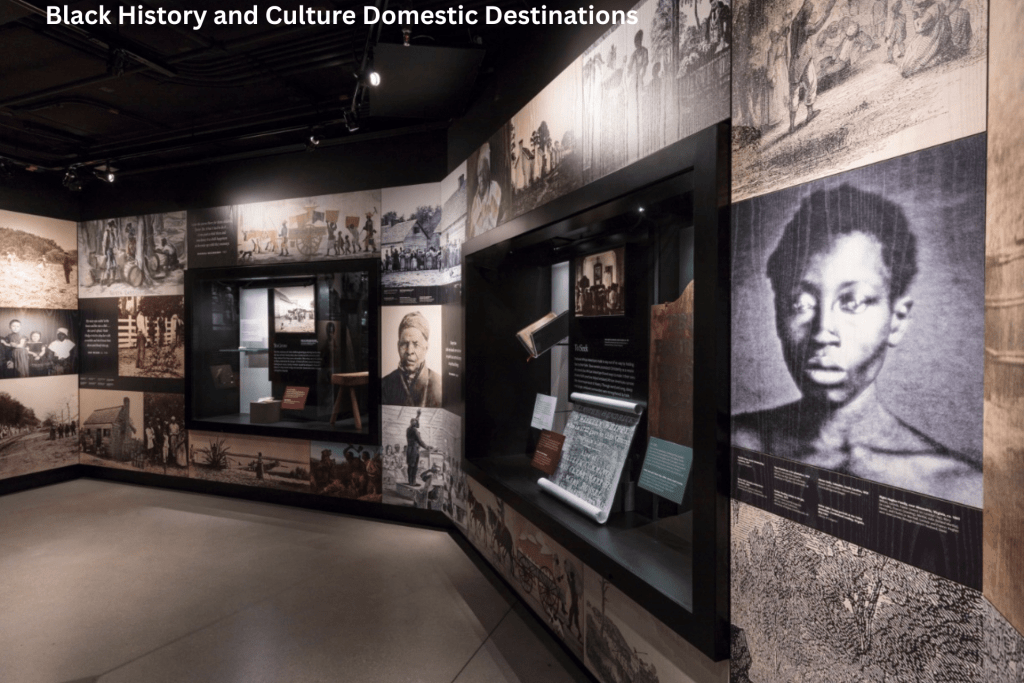
For African American travelers residing in or visiting the United States, most of these destinations offer history, voice to culture, and public open space:
Atlanta, Georgia: America’s Black culture capital, Atlanta boasts dynamic Black-owned businesses, museums (the National Center for Civil and Human Rights), and a rich musical and political heritage.
New Orleans, Louisiana: Afro-Creole legacy, jazz heritage, and Black festivals characterize the open, lively city.
8. The Caribbean Beyond Jamaica: Uncovering Other Black-Led Islands
Where Jamaica is the number one tourist spot, other Caribbean vacation destinations are available, safe, and culturally rich to Black travelers:
- Barbados: Open hosts and rich culture describe Barbados, a Black demographically populated island with cultural heritage and openness.
9. Thailand: Respect and Hospitality Overseas
While not Afrocentric, Thailand is the most quoted nation by Black visitors for being safe and friendly. Thailand also has a vibrant digital nomad lifestyle, budget tourism, and immersion. Cultural interest sometimes appears as staring or questioning, but otherwise, it is harmless and racist-free.
10. Even More Safe and Inclusive Travel Tactics
The destination is important, but so are the preparation and style of travel. Try these inclusive and empowering approaches to travel:
- Connect with black travel communities: Nomadness Travel Tribe, Black Travel Alliance, and Melanin Globe may assist, provide safety tips, and solidarity.
- Travel with Black tour operators: Make a booking or book a room with Black-owned tour operators to help communities.
- Learn cultural context: Get familiar with local attitudes to race, identity, and expectations of relationships with tourists in advance to manage issues and opportunities.
- Trust instincts: Like all travelers, Black travelers must guard themselves, avoid hotspots, and exercise caution.
Write your experiences. Blogs, vlogs, and social media sites that document experiences lead to increased knowledge and voice creation.
11. Empowering Digital Platforms and Tools Powering Black Travelers
Different digital platforms allow Black travelers to find friendly destinations and talk to each other:
- Travel Noire: A community and media collective website with Black travel experiences and travel guides.
- Blavity and AfroTech: Both are travel advice as part of broader cultural reporting.
- Green Book Global: An internet review site for Black travelers to rate countries and cities on safety, fun, and cultural welcoming.
- Black & Abroad: A travel and lifestyle blog chronicling world Black life by edited culture and travel.
These locations eradicate bias and travel due to improved information.
12. Intersectionality: LGBTQ+ and Women Black Travelers
Black women or LGBTQ+ travelers may possess intersectionality of discriminatory practices or issues. But praise be enough, the most welcoming holiday destinations implement great LGBTQ+ rights and gender equality. For instance:
- Amsterdam, Netherlands: Progressive policies and cosmopolitan culture make it a Black visitors’ LGBTQ+ utopia.
- Toronto, Canada: Multicultural principles and open-minded perspective.
- Reykjavík, Iceland: Friendly and outgoing, particularly towards women travelers to travel independently.
When deciding about such experiences, the traveler should carefully observe community assets and become involved in proximal or expatriate communities.
Conclusion: The Power of Choosing Joy and Connection Through Travel
Black travelers have an expansive world and an open door. There is danger, but there are thousands of places where Black culture is invited, safety is offered, and diversity is open.
Traveling is a process of care, discovery, and identity that is counter-culture. When Black travelers travel to welcoming places that are represented, they forge a world experience that is empowered, connected, and happier.


