
Carnivals have been the heart of cultural heritage, collective celebration, and resistance for centuries. Most potent are likely international carnivals—rainbow-hued, rhythmic, and thoroughly embedded festivals testifying to African diasporic power and imagination. On distant seas and continents, Black folks have preserved and reconstituted their cultural practice in Carnival, employing music, dance, costume, and ritual as instruments of identity and freedom.
- From Trinidad city streets to Notting Hill street culture and the Afro-Brazilian beats of Salvador, Carnival is more than a festival—it’s powerful. It’s a declaration of existence, pride, and empowerment. This piece dissects the historical origins, cultural meaning, and modern expressions of Carnival among Black people globally.
The African Roots of Carnival
Carnival predates colonialism, but contemporary styles involve extensive borrowing from the transatlantic slave trade and cross-cultural exchange that ensued. Enslaved people introduced effervescent cultural practices of drumming, narration, masking, and street revelry. These were blended with pre-Lenten European celebrations to give rise to syncretic carnival celebrations in the colonies, unique to each.
- Carnival was celebrated in the Caribbean, Brazil, and most of the American South, symbolizing survival and resistance. The enslaved people were refused the European celebration and instead created parallel celebrations. These celebrations grew as places where the preservation of culture, acts of hidden resistance, and survival of culture happened.
Trinidad and Tobago: The Birthplace of Modern Carnival
Trinidad and Tobago’s most famous Carnival is among the globe’s most feted, better known worldwide as the benchmark of contemporary Caribbean carnivals.
- Evolution and Origins: After emancipation, formerly enslaved Africans in Trinidad marched on public roads dressed in elaborate costumes, adopting the masquerade custom. The Carnival then integrated steelpan music, calypso, and soca to become an exhilarating festival of Afro-Caribbean culture.
- J’ouvert and Mas: Trinidad Carnival’s most disjunctive elements are J’ouvert—a street celebration on the roads early in the morning mud, paint, and riot—and Mas (masquerade), in which the actors put on elaborate, conventionally historically, politically, or mythically figured costumes.
- Cultural Significance: Trinidad Carnival is a carnival of liberty, a celebration of Black beauty and imagination, and a worldwide appeal to diasporic pride.
Brazil: Afro-Samba and Spiritual Syncretism
Brazil’s Carnival is among the largest in the world. While its mass imagery endlessly glorifies Rio’s samba parades, the Carnival has Afro-Brazilian origins.
- Salvador, Bahia: Salvador, Afro-Brazilian spiritual capital, combines African beat, Candomblé religious ritual, and Bahian tradition during Carnival. Afro blocs such as Ilê Aiyê and Olodum play music commemorating Black heritage and history.
- Samba Schools: Although Rio de Janeiro’s Carnival center is the samba school, the schools began in traditionally African-influenced Black neighborhood communities, or favelas. Afro-Brazilian culture uses the time of Carnival as one means of being heard and heard about by others.
- Resisting Erasure: Afro-Brazilians have fought for centuries to be heard in Brazilian history, and the Carnival is one ongoing struggle with cultural justice.
- Notting Hill Carnival: Black British Identity on Parade
- Contemporary Celebration: Now, Notting Hill is attended by millions, who bring steelpan bands, calypso performers, soca music, and colored clothing.
- Political Significance: Notting Hill is still a politically sensitive area. The Carnival is protest-themed, and policing, gentrification, and racial equality are the markers of carnival heritage.
- Bahamas’ Carnival: A March of Memory and Merriment
- Origins: Its origins may be traced to a West African chief named John Canoo. The holiday may have originally served as a means for enslaved Africans to rejoice on one of their holidays.
- Cultural Elements: Junkanoo includes drumming, cowbells, elaborate headpieces, and subject-matter performances. It is a symbol of African culture, yet a national celebration.
- Caribana: Caribana Toronto is among the largest North American Caribbean cultural festivals, uniting Caribbean people in the island’s stunning colors, music, and dance performances.
- Diasporic Power: Conceived in 1967 as part of a centennial anniversary celebration, Caribana was a place where Caribbean immigrants could construct an act of mastery over a suppressed culture over a dominant white Canadian culture.
- Influence Today: Contemporary Caribana is a space of critical belonging for second-generation Caribbean Canadian youth to their heritage, instilling intergenerational identity and pride.
Mardi Gras: Black Resistance in New Orleans
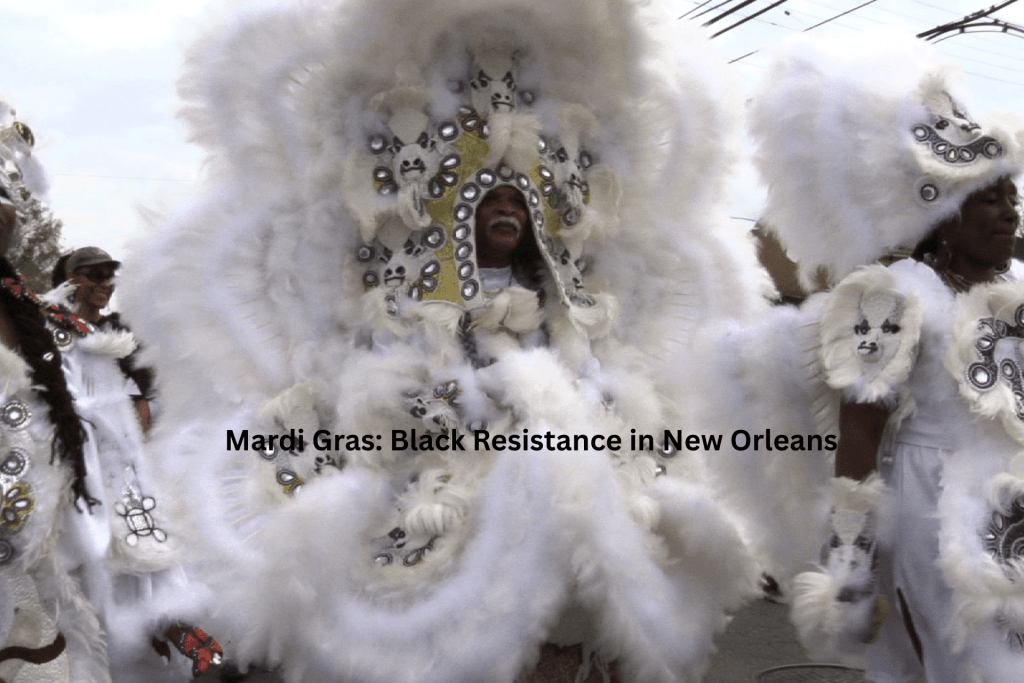
While Bourbon Street and giant floats are most stereotypically linked to Mardi Gras, their history in New Orleans also involves deep Black identity claims.
- Mardi Gras Indians: African American New Orleanians have built a rich Mardi Gras culture, gathering in “tribes” that dress up in Indian-costume regalia to celebrate collective histories of oppression.
- Zulus and Social Aid Clubs: The most traditional and respected Black Mardi Gras krewe, the Zulu Social Aid and Pleasure Club, has been parading since 1909, employing satire and spectacle to reverse racial hierarchization.
AfroPunk and New Festival Movements
AfroPunk is just one of several new festivals that combine music, art, and activism to celebrate Blackness in joy on continents.
- Origins and Evolution: From its modest beginning in Brooklyn as a reaction to Blacks’ culture being relegated to the margins, AfroPunk has grown to cities such as Paris, Johannesburg, and Atlanta.
- Aesthetics and Activism: The carnivals represent nonconformity, queerness, and political awareness in secure environments. They break away from the normative expectations of Carnival expression.
Pan-Africanism and Global Solidarity Through Carnival
World Carnival traditions reflect Pan-African values written into festive cultures. Dancing to soca rhythms in Brooklyn, kente dress-up in London, and steel drumming in Toronto – such carnivals create world Black solidarity.
- Shared Rhythms, Shared Roots: Continuity is present in the musical instrument, dance step, and theme topic because they share common cultural connections within the diaspora.
- Diasporic Dialogues: Festivals provide platforms where diasporic Blacks can share common stories of hardship and triumph and be one despite nationality and language.
Challenges and Commodification
Increased challenge accompanies the trendiness of commodification and cultural appropriation at world festivals.
- Disintegration of Meanings: The more and more non-Black tourists arrive, the more worry exists that non-Black artists will dismantle the political and cultural roots of such celebrations.
- Cultural Gatekeeping vs. Inclusion: Communities struggle to balance authenticity and embracing newcomers and allies.
- Local Effect: Even tourism has created tension around Carnival’s economic value and whether Black urban communities are still at its center.
Carnival as Healing and Liberation
Politics and performance aside, Carnival holds something fiercely personal, healing within it.
- Embodied Joy: Costuming, covering the streets, and dancing are healing. It’s a rejoicing in being an organism within a world that dehumanizes and marginalizes Black bodies far too many times.
- Spiritual Connection: Spirituality pervades much of the Carnivals, based on African traditional religion, Christianity, and reverence for ancestors. These issues are redefining public festivals as religious affairs.
- Looking Ahead: The Future of Black Carnivals
Earlier generations calling the shots long ago, they’re re-making rules in a new and innovative way.
- Tech and Innovation: Streaming, social media, and virtual reality open doors and windows for the world to enter and participate in.
- Environmental Awareness: Nowadays, all celebrations integrate sustainability activities, less wastage generation, and green celebrations.
- Reimagining Inclusion: Modern Carnivals have introduced diversity in the forms of gender, queer celebration, and diasporic identity that disrupt binary identity.


