
Background of the Flight
Flight 1213 took off from Orlando for Atlanta’s Hartsfield-Jackson International Airport (ATL), Delta’s most popular route. Airbus A330-300 aircraft are a common routine domestic and international flight vehicle with a safety and reliability factor reputation. Family vacation groups, business people, and flight attendants were some of the half-dozen or so passengers aboard.
- The plane was reportedly in normal check and service and ready for flight. The departure weather was good, with no flight restrictions from the external environment.
The Incident: Tarmac fire
At around 11:15 local time on takeoff, fire was observed from the number 2 right engine. Eyewitnesses also observed black smoke and fire emanating from that tailpipe. Flight attendants notified them, and the pilot made an emergency stop on takeoff, which activated emergency procedures.
- Within seconds, the plane’s emergency slides were ejected, and evacuation began. Passengers evacuated the aircraft on the slides at different doors, and all the passengers evacuated the plane safely within 3-5 minutes. The airport firefighting team responded quickly and extinguished the fire, securing the plane.
- This rapid departure maintained the potential for a much greater accident because fuel leaks or engine bursts happen frequently in such circumstances.
Passenger Evacuation and Response
The witness video shows passenger evacuation. Passengers evacuated in a well-ordered manner, even though some passengers were panicked and disoriented when they saw the fire for a moment. Some passengers who evacuated from the rear left behind their carry-on bags, and others tried to carry something—a dangerous act that air authority regulators always advise against in an emergency.
- Three nearly 300 passengers were treated for landing stress reactions or injuries, primarily due to the slide landing. There were no deaths and no injuries.
- Passengers later praised the professionalism of the Delta flight crew in interviews about how cool and calm the flight attendants had been during the evacuation.
- “They told us exactly what to do—where to go, when to jump, and comforted us even when there was smoke pouring out the back,” row 22 passenger Karen Mitchell recalled.
Official Comments and Airline Response
Delta Air Lines issued an official comment shortly after the accident:
“Delta Flight 1213 from Orlando to Atlanta was evacuated from the gate before departure after a report of smoke coming from an engine. All on board and in the cabin were escorted safely off the plane and back to the gate.
- Orlando International Airport (MCO) reported a fire, but the taxiway, which was charred by the fire, was briefly cleared in an hour.
Cause of the Fire: What We Know So Far
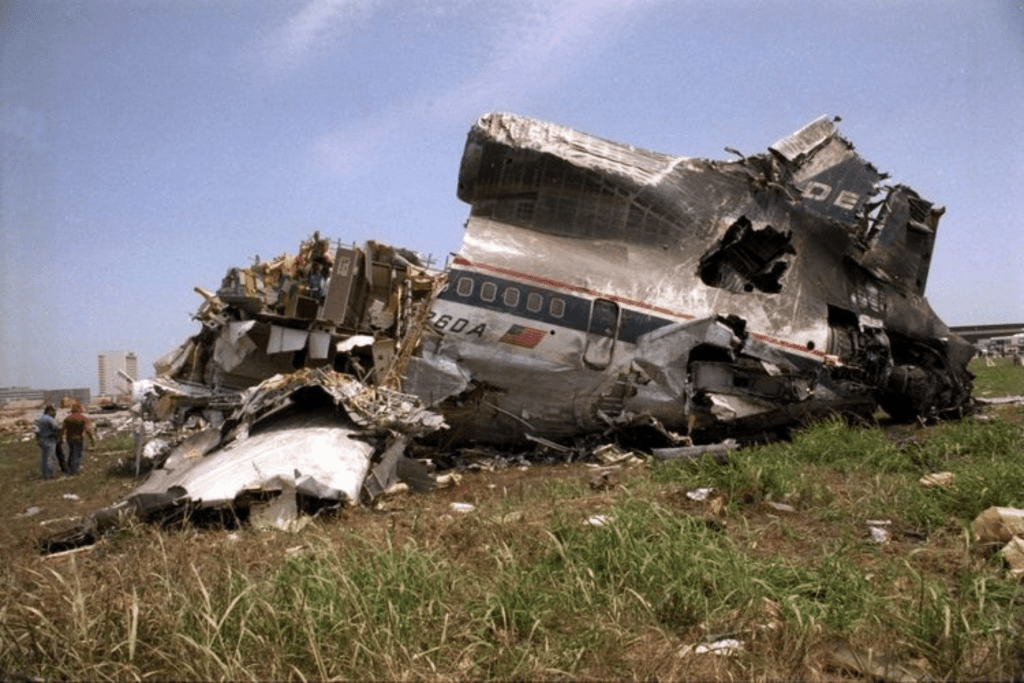
From initial investigation, the cause of the fire is likely from the right tailpipe of the engine because of the carry-over fuel remaining system upon start ignition or by way of a component engine failure. Whitney PW4168 series engines, which are typical for utilisatuse fleet aircraft, possess a superb safety record.
- Tailpipe fires, while theatrical, are common on engine startup and thoroughly damped by onboard fire suppression systems. But automatic engine shutdown here was justified by observations of fire and smoke.
Until the final FAA report publication, the precise mechanical cause is speculation.
Passenger Rights and Compensation
Delta informed that the passengers on Flight 1213 would be rebooked on other flights at no extra cost and provided hotel accommodation, meal vouchers, and a refund of compensation based on the ticket class and the delay.
- The tourists who have been victims of grave incidents are protected by DOT regulation for compensation. Delta has even provided psychological counselling services to any tourist traumatised or shocked by the crash.
Aircraft Status and Technical Inspection
Delta aircraft Airbus A330-323, N807NW, was pulled out of service for inspection. Delta’s technical maintenance team is conducting a detailed diagnosis of engine systems, while fuel lines, ignition modules, and emergency systems are being inspected.
- Airbus and Pratt & Whitney have also been contacted and are contributing their expertise to the technical inspection process.
Aviation Expert Insights
We asked the question of the accident to aviation safety specialist and former NT SB investigator John Weathers.
- “Vision-detectable engine fire wasn’t a huge issue. The story is about how well the crew reacted. Training these guys is the most important, and it paid off. This is a textbook good old classic case study in evacuation.”
- He also explained that such an accident is not very frequent, given the number of flights that occur daily within the United States alone—more than 45,000 on average.
Social Media and Public Response
The crash instantly became a buzz on social media such as Twitter, TikTok, and Instagram, and millions of people watched videos uploaded about the crash. While some of the videos had informative material, others created misinformation, inaccurately depicting that the plane exploded or the fuselage was burning, which was not true.
- The crash triggered new cyber outrage over the taping of personal electronic gadgets in crisis periods, prompting demands to heighten enforcement of “no filming” orders when evacuation occurs.
Regulatory and Industry Impacts
The FAA may alter engine startup inspection procedures or send out guidelines to operators of the same engine-aeroplane type. The crash also impacts:
- Reduction of ground crew training to allow for early detection of indications of tailpipe fire.
- Change of pre-flight passenger briefing by film and broadcast messages.
- New post-evacuation after-care procedures, such as psychiatric care.
- The NTSB will make recommendations in a 90-day interim and a one-year final report.
Conclusion: A Success Emergency Response
Despite all the terror, the Delta Flight 1213 accident is a success story of airborne emergency response. It is a testament to rigorous training in contemporary air travel, safety-conscious culture, and engineering resilience.
- While no one gets on a plane hoping to exit on an emergency slide, the neat, unglamorous removal of almost 300 people from life-or-death circumstances is a testament to the effectiveness of airline safety procedures. This disaster will be a lesson to all pilots, engineers, and regulators—not a lesson of failure but of how the aviation community survives, even through terror and fire, one of the safest modes of travel on planet Earth.


