
In Lisbon, London, Berlin, and Buenos Aires, in the world’s greatest cities, Black history is sometimes concealed, overwritten, within dominant narratives. For centuries, black individuals have been equal partners in intellectual, cultural, political, and economic life in great world cities. Black people’s histories are inscribed in neighbourhoods, art, activism, buildings, and institutions, and must be uncovered and remembered. This essay attempts to excavate those hidden histories and to reimagine our knowledge of city spaces through the perspective of the African diaspora.
1. London: Empire, Migration, and Resistance
London, the old capital of the British Empire, has a rich history of Black presence and struggle. From Black Loyalists and enslaved people like Olaudah Equiano in London during the 18th century, to the Windrush generation of Caribbean post-WWII migrants to London, Black Londoners have left their mark.
- Places like Notting Hill and Brixton have been spaces of cultural production, having produced movements like grime and reggae, and spaces of civil rights. They are kept alive by institutions such as the Black Cultural Archives and the annual observance of Caribbean culture through the Notting Hill Carnival.
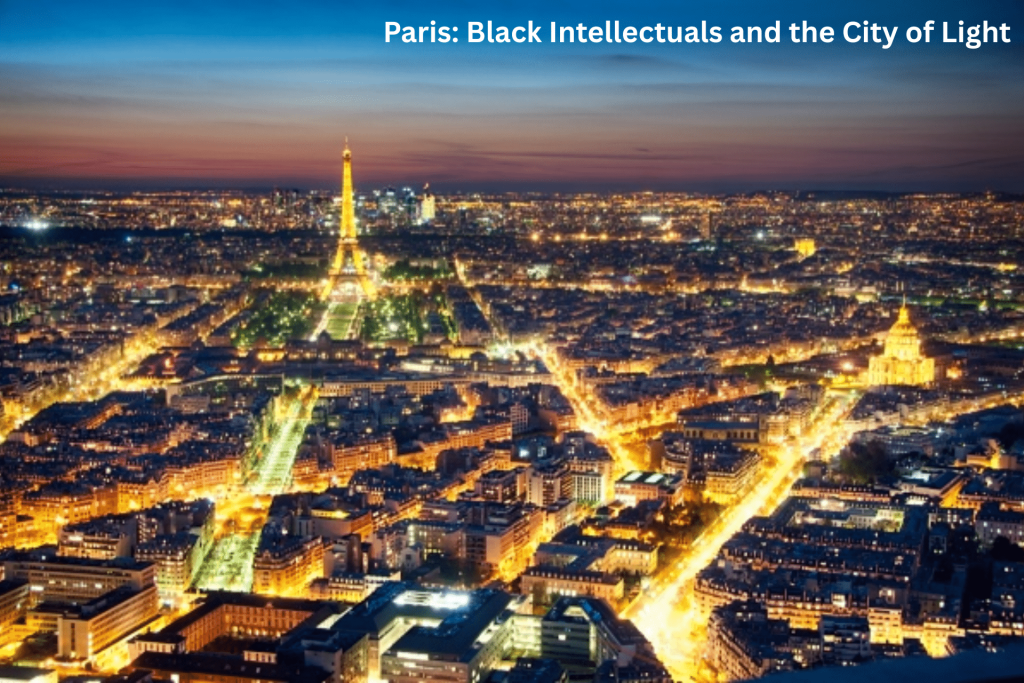
2. Paris: Black Intellectuals and the City of Light
France’s colonial history had already exposed it to other African and Caribbean immigrants in its capital city, too. Its major cities boasting sizeable Black populations are Château Rouge and La Goutte d’Or, which can be seen amidst the fashion, cuisine, and city walls.
- While France clings to a colorblind ideology, the everyday life of Black Parisians testifies against everyday battles with racial injustice, police brutality, and erasure. Decolonial activism has ignited public debate around monuments, education, and national identity.
3. Rio de Janeiro: Afro-Brazilian Roots in Urban Life
Brazil has the biggest concentrations of Blacks anywhere outside the African continent, and Rio de Janeiro is one of the Afro-Brazilian culture-influenced cities. However, much of it lies under samba, beach, and Carnival madness.
- These neighbourhoods, such as the port district’s Little Africa (Pequena África), were some of the inner neighbourhoods that gave the city its cultural identity. Samba, capoeira, and Candomblé were invented there. The Valongo Wharf, the previously extinct slave port, which has only recently been classified as a UNESCO World Heritage Site, reminds everyone of Brazil’s colonial past and the struggle and determination of the African-descent group in Brazil.
- Afro-Brazilian intellectuals and activists are reclaiming this history in cultural centres, guided tours, and museums so that tourists and citizens alike can sense the city’s real diversity.
4. Berlin: Diaspora in the Heart of Europe
Berlin is not the first place people think of when they hear Black history discussed, but Berlin does have a complex and diverse history with the African diaspora. During the colonial period, Africans were already introduced to Berlin as units of exhibition and labourers. African American troops were based in Berlin during the Cold War and brought dominant cultural practices, mostly music.
- Berlin is now home to a vibrant community of Black Europeans, Afro-Germans, and African migrants. EOTO and ISD are at the forefront of documenting and disseminating Black German histories.
- Afrofuturism, hip-hop, and spoken word are increasingly at the forefront of Berlin’s Black youth identity of resistance and expression, quieting Germany’s amnesia as new urban identities emerge.
5. Toronto: Black Canadian Identity and Multiculturalism
Toronto is also well known as one of the most multicultural cities in the world. Black Canadians, primarily Caribbean and African, have been central to its multiculturalism.
- Neighbourhoods such as Little Jamaica on Eglinton West and Rexdale are commercial and cultural hubs. Among such Black Toronto pioneers were Mary Ann Shadd Cary, the first Black woman to have owned a North American newspaper, and Lincoln Alexander, Canada’s first Black Member of Parliament.
- There are still instances like the Toronto Caribbean Carnival and the Black Artists’ Network in Dialogue (BAND) members who recall Black Canadians’ ongoing contributions to the city’s history.
6. Lisbon: Untold Stories of the Atlantic Slave Trade
Lisbon, a very ancient city in Europe, was the hub of the transatlantic slave trade. Various Portuguese explorers and enslavers were based there, but the city’s role in this shameful era has never been embraced.
- Long-term black Portuguese and African immigrants from such former colonies as Angola, Mozambique, Guinea-Bissau, and Cape Verde resided in Lisbon. Their stories are never revealed in conventional histories.
7. New York City: The Harlem Legacy and Beyond
New York City is perhaps the most well-known instance of Black urban achievement.
- Outside of Harlem, the South Bronx, Bed-Stuy, and Jamaica, Queens have been a centre of music, fashion, activism, and entrepreneurial endeavours. The Black Civil Rights Movement, the hip-hop generation, and the Black Lives Matter movements traced their origins deep within the city.
- These spaces, such as the Schomburg Centre for Research on Black Culture and the Studio Museum in Harlem, preserve and celebrate the Black contribution to the city. However, gentrification and policing remain persistent issues that make such cultural strongholds out of reach.
8. Accra: Urban African Identity and Diasporic Return
It has colonial architecture, Makola markets, and Jamestown suburbs in which city art blends into fisher culture. It has the Kwame Nkrumah Mausoleum and the W.E.B. Du Bois Memorial Centre to commemorate Ghana’s independence and intellectual heritage of Pan-Africanism.
- Accra is a site of modern globalised cultural interchange and back-to-the-countries reverse migration where world Black subjectivities are imagined and remembered.
9. Johannesburg: Apartheid, Art, and Black Urban Resilience
Post-apartheid Johannesburg is the hub of a new and emergent arts movement by Black South African artists. Cultural enclaves such as Maboneng and Constitution Hill blend heritage and contemporary expression. Street art, jazz festivals, and writing bear witness to the combative creativity of Black Jo’burgers.
- The city is still a struggle about land, equity, and representation, but also a record of the resilience and creativity of its Black citizens.
10. Amsterdam: Remnants of Colonialism and Voices Today
Behind Amsterdam’s old cobblestone streets and canals also lie a five-century-old colonial past of slavery in Suriname, the Dutch Caribbean, and Indonesia. Today’s city dwellers, whose forebears were enslaved and colonised, are the city’s multicultural heritage.
- Each year, celebrations such as Keti Koti (chain breaking), commemorating emancipation from slavery, take place, and performances like The Black Archives reveal hidden histories. Black Amsterdamers fight being erased by writing, scholarship, and performance.
- Internationally, it challenges institutions to recognise colonial brutality inflicted upon the Netherlands and Black Dutch inclusion in decision-making about future and current plans for the city.
Conclusion: Recomposing the Urban Narrative
Black contributions to world cities are more than history books; they are the lifeblood of the cities’ knowledge we live in now. From leading fashion trends to influencing social movements, Black individuals have had an irreversible role in fleshing out and enriching cities.
- Recovering those missing histories is not intellectual gymnastics but a matter of justice. It gave existence, value, and functional possibilities to the men and women whose histories had been progressively erased. Moving toward an inclusive future, attention must be paid to these legacies and ensure that Black urbanity is recognised and relied on in constructing the world urban experience.


[…] UAE has strong ties with Ghana in trade and now tech. This $1 billion deal Shows Deep Trust and shared goals. The UAE will give more than cash. It will also bring tech tools and team […]
[…] open, visitor centers, ranger programs, and maintenance services were suspended as approximately 16,000 employees were furloughed. Trip activity related to these attractions fell by roughly 5%, causing a direct […]
[…] has paused immigrant visas for 75 countries, including Tanzania. This pause allows for a “public charge” review of all immigration procedures. The goal is to ensure immigrants do not rely on U.S. […]
[…] arts therapy, and genetic testing to tailor their wellness journey. The facility even features Asaya Kitchen, a restaurant dedicated to healthy, Mediterranean-inspired dining, ensuring that the wellness […]
[…] spas; it is about restoration and connection. Black travel groups are leading the way in “regenerative” tourism […]