
Over the past decades, airlines have primarily been run by large corporate entities that minimally include underrepresented group members. New airlines operated by Black owners are now emerging into the market as an industry trend. These new businesses are shaking up the air travel market while giving the African diaspora substantial advantages. These new Black-owned airlines work to connect underserved areas while enhancing accessibility alongside developing business ventures for Black business owners to lead the aviation industry toward change.
The Need for Black-Owned Airlines
For many years the aviation sector has come under fire because of its scarcity of diversity in its top leadership roles as well as ownership positions. The aviation market remains restricted for Black entrepreneurs who want to establish businesses, especially in Africa and the Caribbean, due to these barriers. The rising global Black diaspora and rising economic empowerment demands have encouraged the launch of Black-owned airlines to fill these vacancies. The airline services serve the Black travel market while creating stronger global connections through direct aviation routes to Africa and the Caribbean, along with other neglected territories.
Black-owned aviation enterprises lead the way in creating a new era of flying services.
The aviation industry experiences the rise of new Black-owned airlines through multiple newly formed startups which challenge existing aviation companies. These startup businesses aim to improve inclusivity in addition to providing necessary services to African Caribbean and other rural diasporic communities. The new air travel companies establish flight paths to underdeveloped areas, which create easier access to affordable services that serve and celebrate the cultures of these marginal regions. This movement works toward breaking representation barriers within aviation to provide diaspora community members with their own voice.
Connecting the Diaspora with Africa
Black airline companies have emerged primarily to foster enhanced relationships between African territories and worldwide Black communities. The distances of many African nations from the Americas and Europe previously created difficulties for people attempting to travel to and from the continent due to high costs and unideal transportation options. The airlines FlyBlack and KLM Black Airways face this market need by operating enhanced service standards that feature regular flights linking the African region to major U.S. cities and Caribbean and European population centers.
Empowering African-American and Caribbean Entrepreneurs
New growth possibilities occur for African-American and Caribbean investors who wish to invest in the aviation industry through Black-owned airlines. This minority group contains significant growth potential since numerous individuals aim to spend their money on heritage-based venture funding alongside national economic expansion. These airlines enable business owners to expand their investment portfolios because they provide paths for community-based economic expansion.
Cultural Relevance in the Sky
Black-owned airlines create a special brand identity through their focus on cultural significance. Compared to standard airline services these startup companies give priority to creating transportation experiences which hit the preferences of their specific customer base. The travel experience of Black-owned airlines gets enriched with entertainment focused on African and Caribbean culture while they serve food options inspired by diaspora culinary traditions. The airline’s focus on cultural diversity results in stronger passenger bonds and complete recognition of minority travellers in aviation processes.
Addressing Affordability and Accessibility
The ability to pay for travel continues to discourage diasporic people from travelling to their ancestral destinations. The founders of Black-owned airlines address pricing challenges by offering low rates to customers travelling between Africa and the Caribbean, which typically had high flight expenses. Partnerships with startup airlines specifically target the diaspora because they understand accessibility along affordability stand as the main concerns for their population. The companies work to deliver cost-effective travel solutions which maintain high-quality service standards for people from various economic levels to join in the expanding global movement.
Partnerships and Collaborations: Strengthening the Network
To reach more customers many Black-owned airlines develop partnership deals with major aviation sector operators. Through partnerships, the airlines access available infrastructure and domain expertise, but they keep their mission dedicated to diaspora services. Partnerships with international carriers let Black-owned airlines reach more worldwide locations by providing passengers connection flights between various airports. Partnerships between these startups and airports and governmental bodies result in infrastructure development to extend the transportation routes that their businesses operate.
The Role of Technology in Shaping the Future
Technology has been instrumental in the achievement of Black-owned airlines across the industry. Technology allows these airlines to use platform-based bookings in addition to specialized mobile applications for diaspora engagement which leads to operational efficiency along with genuine customer interactions. Through their modernized approach, Black-owned flights introduce advanced technological enhancements, including upgraded cabin details, enhanced onboard entertainment and improved connectivity options. The incorporation of advanced technology enables Black-owned airlines to establish themselves as unique carriers which serve the tech-oriented customer needs.
Building Brand Loyalty Through Community Engagement
The development of brand loyalty at Black-owned airlines becomes directly related to their active participation in community initiatives. The airlines develop faithful customer relationships through their dedicated attention toward diaspora community requirements along with meaningful interactions between airlines and customers. Air travel forms only one part of their relationships, which extends to social programs, community outreach and cultural heritage promotion. Black-owned airlines use digital platforms to engage their passengers, as well as social media strategies and local events to build relationships that create loyal advocates for brand promotion.
Sustainability and Eco-Friendly Initiatives
Environmental sustainability serves as a growing priority for travelers so Black-owned airlines enhance their operations by implementing eco-friendly practices. The startups implement various sustainability measures both in their office spaces and aircraft operations to minimize their environmental footprint. A small number of airlines are actively developing carbon offset programs and sustainable aviation fuel initiatives because they want to create environmental benefits for passengers who demand modern flight experiences.
Black-owned airlines have to deal with competition from established industry players to grow their business.
Despite progress among Black-owned aviation companies, they still need to tackle various business obstacles. Startup airlines operating in this industry encounter strong competition from dominating large airline carriers that have established themselves in the market. Maintaining operations within the airline sector remains expensive, especially since buying aircraft and upholding safety protocols and regulatory compliance costs Black-owned businesses that might hold fewer financial assets compared to large airlines. These startups demonstrate resistance by serving unattended transportation routes and specific market segments to find success in the highly competitive aviation industry.
Impact on Local Economies
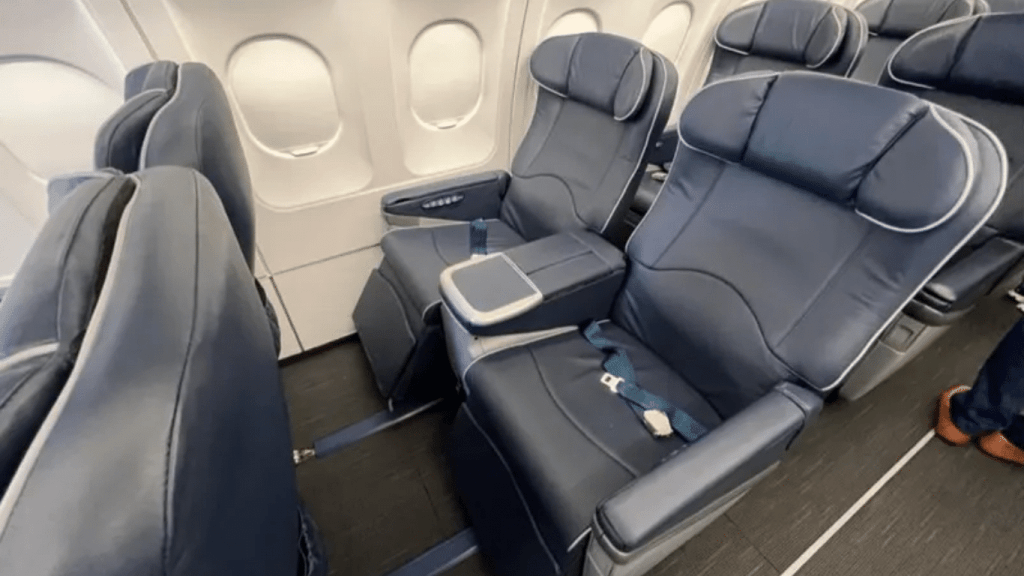
Black-owned airline enterprises serve to benefit numerous local communities that are accustomed to minimal service from big commercial flights. These airlines enhance the development of business operations and tourism while stimulating local trade through their expanding network of air connections and new travel routes. The increased accessibility allows diaspora communities in Africa and the Caribbean to generate new trade possibilities as well as educational opportunities and economic collaborations with local economies. The establishment of Black-owned airlines functions as an economic development accelerator because they deliver lower-priced air travel for all citizens.
Fostering Cultural Exchange and Understanding
Black-owned airlines serve an essential function in creating cultural exchanges that connect African populations to Caribbean people and participants from across the globe. These airline companies use cultural programs as well as educational partnerships to develop intercultural connections. Their international routes establish opportunities that allow people to exchange knowledge while sharing stories which build relationships above mere flights. The exchanges between individuals create increased unity and solidarity among participants across the global Black community.
Conclusion
New Black-owned airlines have created an energetic and disruptive shift within the current aviation industry operation. The focus on meeting global Black diaspora needs through startup innovations leads to air travel operations which provide enhanced access combined with lower costs alongside more culturally sensitive flights. The growth of these airline companies will establish them as fundamental agents in transforming future air travel operations while supporting African as well as Caribbean communities and many other international regions. These hopeful times reveal a fantastic outlook for Black-owned airlines because they inspire all new generations of both business founders and air passengers.
FAQs
1. What are Black-owned airlines?
Black-owned airlines represent companies in the airline sector where Black investors maintain ownership control in either their complete or partial capacity. These airlines create services specifically for Africans and Caribbean people and members of the worldwide diaspora by offering custom-tailored services at budget-friendly prices to regions not typically served by conventional airline companies.
2. What differentiating characteristics exist between jet services operated by Black entrepreneurs and conventional aviation companies?
These airline operations stand apart through their dedication to cultural connection and direct connection of underserved territories while providing price-friendly package offers for their diaspora passenger base. These airlines create community participation programs in addition to delivering passenger-specific solutions and diverse aircraft services.
3. In which territories do Black-owned airlines conduct operations?
The main purpose of Black-owned airlines consists of connecting populations that traditionally receive insufficient air connectivity between African, Caribbean and diaspora communities situated in Americas and Europe. These airlines have established their operations in order to build better connections between these regions and provide cost-efficient flight routes.
4. Are Black-owned airlines affordable?
The routes which lead to Africa and the Caribbean as well as other under-served parts of the world have affordable pricing as a priority for several Black-owned airlines. These airlines work to create affordable air travel service that everyone irrespective of their financial situation can use.
5. Black-owned airlines face multiple business hurdles during their operation.
The main obstacles these carriers face during operations are large carrier competition and high operational expenses along with constrained financial resources. Black-owned airlines do well by focusing on unserved flight routes while simultaneously developing close ties with their specific target markets.
Read more Click Here


