
Introduction
African diaspora communities have strongly influenced cultures along with societies while creating histories throughout the Americas. Scant few places exhibit more strong signs of African cultural inheritance than Brazil and Colombia, which experienced transatlantic slavery during the period when Africans were forced into captivity. Academics, along with historians and cultural support advocates, now participate in the study of “Sankofa Journeys,” which derives from the traditional African Akan culture. The Akan phrase Sankofa refers to how people return to get what was lost in Africa while searching for their cultural origins.
The African Presence in Brazil: A Historical Overview
Among all South American nations Brazil holds the title as the largest country while maintaining the biggest non-African population of people with African heritage worldwide. Brazilian history defines the African diaspora through the initial slave arrivals of Africans in the 16th century who mostly worked on sugar plantations. Enslaved Africans settled in Brazil with great frequency because the country experienced rapid growth in sugar production as well as gold mining and coffee cultivation. Through forced migration, Brazil received more than 4 million Africans whose heritage continues to define Brazilian cultural elements and linguistic features as well as religious practices today.
The African Influence in Colombian Society
The African diaspora created substantial cultural impacts in Colombia that centered mainly on its Pacific coastline region. The same pattern exists in Brazil because Colombia became an important export destination for forced African labor to toil in plantation fields, gold mines, and domestic spaces. The cultural traditions of Afro-Colombians remain most vivid throughout Chocó province and Buenaventura’s coastal cities as well as Valle del Cauca province. The first enslaved Africans arrived in Colombia at the beginning of the 16th century, and this arrival influenced both the cultural and religious practices and the music and culinary traditions of the region.
Sankofa: A Concept of Cultural Reclamation
The Sankofa concept of the Akan people in West Africa represents the essential need to retrieve historical knowledge that was lost. For descendants of Africans in the Americas, Sankofa signifies returning home to family history while restoring African cultural customs that slave times sought to eliminate. Brazilian and Colombian African descendants carry out personal Sankofa expeditions to link with their ancestral heritage by preserving their original cultural elements such as language customs, ceremonies and religious observances, and spiritual traditions. African heritage exploration normally brings people to discoveries across Africa as participants join cultural events and investigate their family roots.
African Religion and Spirituality in Brazil: The Rise of Candomblé
Brazil hosts the strongest manifestation of African heritage through its religious tradition of Candomblé. Enslaved Africans established Candomblé as a syncretic African religious practice that spread through Brazil. The spiritual faith incorporates critical components from Yoruba, Bantu, and Fon spiritual traditions that migrated from Africa. The deities whom Candomblé practitioners revere at Candomblé are known as Orishas, who symbolize both natural forces and different aspects of living. Candomblé developed into Brazil’s essential cultural component in conjunction with its spiritual heritage, with Bahia serving as its main cellular base because of that region’s extensive Afro-Brazilian demographic.
The Role of Samba in Preserving African Heritage in Brazil
Brazilian heritage strongly connects with Samba since this musical and dance tradition emerged directly from African culture. Brings to Brazil emerged when enslaved Africans transported this African heritage upon their arrival. Samba originated inside Afro-Brazilian communities to express cultural resistance along with pride while ascending from Rio de Janeiro’s favelas. Throughout the 20th century, Brazil adopted the Samba as its national symbol while attempting to conceal its African roots and origins. Samba schools across Brazil function as powerful cultural organizations devoted to preserving African heritage and advancing Afro-Brazilian traditions by means of musical and dance performances.
Capoeira: The Art of Resistance in Brazil
Brazil developed Capoeira as a martial art that combines dance with music and acrobatics because enslaved Africans in Brazil founded it during the African diaspora. Slave populations adopted Capoeira as a self-defense system because they covered it up with dance so plantation masters would not suspect its intentions. The flowing circular movements of Capoeira represent the expressive strength and originality of African slaves who fought to preserve their cultural identity under difficult circumstances. Through time, Capoeira evolved as a symbol of Afro-Brazilians fighting for their heritage, and national recognition established it as an essential cultural activity worldwide.
The Fight for Racial Equality in Brazil: A Continuing Struggle
The heritage from Africa that flourishes through Brazil has not stopped Afro-Brazilian groups from enduring discrimination across all social and economic structures. The last few decades have witnessed an expanding effort to establish fair representation together with rights enforcement for Afro-Brazilians. The Black Movement (Movimento Negro), together with other activists, constantly supports racial equality campaigns and defends affirmative action strategies as well as promotes awareness of systematic racism targeting Afro-Brazilians.
Afro-Colombians: Struggling for Recognition and Rights
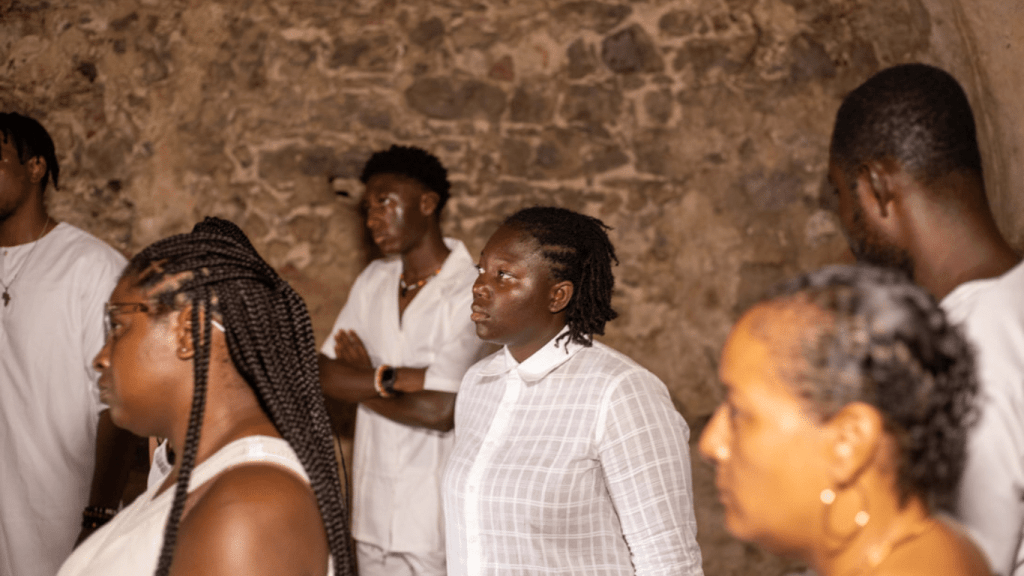
The people of Colombia experience similar problems because Afro-Colombians live in conditions that marginalize and exclude them. The people of African descent, who constitute an important part of Colombian society, face multiple obstacles when they live in Chocó and Valle del Cauca because they lack both basic necessities and equal treatment and have restricted access to education and medical care. In recent years, the Colombian government started recognizing Afro-Colombian rights, yet numerous challenges still face the community. The Sankofa journey of Afro-Colombians includes the process of bringing back both their historical knowledge and their cultural heritage while they battle for political acceptance alongside social acceptance.
African influences have substantially affected the language of Brazilian Portuguese as people strive to restore ancestral roots.
Brazil shows distinct evidence of the deep African influence that changed the Portuguese language into what now exists today as Brazilian Portuguese. Brazilian Portuguese features numerous words of African descent, which primarily describe cuisine together with music, spirituality, and household activities. The words “caxixi,” “axé,” and “moqueca” originated in Africa, and these words are currently used in Brazilian Portuguese. Capturing the language connections between Africans and Portuguese is fundamental to the Sankofa journey through Brazil since they demonstrate African cultural influence on Brazilian society in secret but meaningful ways.
Afro-Colombian Cuisine: A Taste of African Heritage
Food provides a vital record of the African heritage existing in Latin American countries. African people who live in Colombia have developed their distinctive food culture through the combination of three historical influences, which began with Africa and then included Indigenous and Spanish elements. The local produce used in these traditional recipes demonstrates how different cultures have merged throughout generations of existence. The act of retrieving their food traditions forms an essential part of the Sankofa experience for Afro-Colombian people.
Conclusion
Through the Sankofa pathway, the seeker finds themselves in the process of learning while reconciling with their past and bringing back forgotten cultural elements. The African diaspora continues to thrive with great strength throughout Brazil and Colombia, even after enduring many centuries of suppression. Through cultural expression, together with education activism and genealogy, Afro-Brazilian and Afro-Colombian people have started reclaiming their histories while honoring their ancestors and establishing their belonging in society. African descendants will achieve recognition and empowerment in new generations following the Sankofa journey through historical and cultural perspectives.
FAQs
1. The Sankofa concept represents a return to past legends through its connection to African heritage within the countries Brazil and Colombia.
The Akan people of Ghana use Sankofa to describe “return and get it” in reference to the essential practice of cultural heritage association. Brazilian and Colombian African heritage descendants actively practice the Sankofa notion as they establish bonds with their African settlement history through religious expressions and heritage observances.
2. The institution of African slavery shaped Brazilian society and Colombian society through what means?
The programs of slave labor that transported millions of Africans shaped both Brazil and Colombia socially and economically while deeply influencing their cultural development. National identities in these countries fully embraced African cultural elements, including music, dance, religion, language, and cuisine, even while facing enslavement and discrimination.
3. What educational measures exist to safeguard the African heritage throughout Brazil along with Colombia?
School-based education about Afro-Brazilian and Afro-Colombian history serves as an essential factor for maintaining the preservation of African heritage. Brazilian law 10.639/03 regulates Colombian initiatives to establish recognition of African descendants through their cultural advancements and historical legacies for restoring previous narratives.
Read more Click Here


