
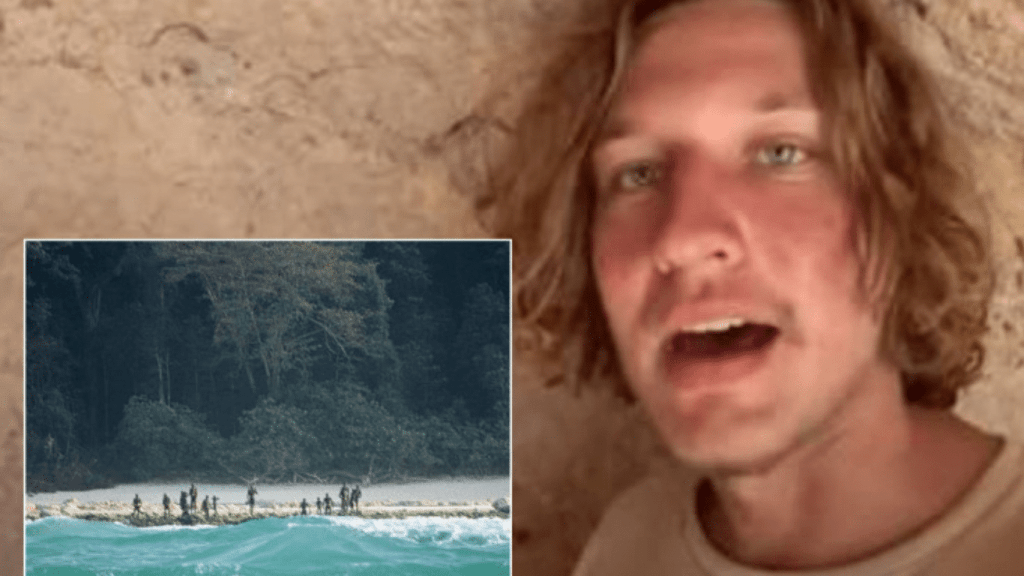
The arrest of a United States traveler took place during his unlawful pursuit to interact with an isolated tribe on the restricted North Sentinel Island. The unauthorized tourist who entered the island area attempted to meet the tribe members through a gesture that included leaving behind a can of Coca-Cola. His actions generated widespread anger, which led to court actions against him.
The Sentinels’ Way of Life
Science identifies the Sentinelese group as one of the final indigenous populations that execute their traditional lifestyle while staying detached from modern civilization. The tribe displays both strong protection of their cultural heritage and physical aggression against unfamiliar people who enter their domain. For many years, India’s government has acknowledged the tribe’s preference for living.
The Tourist’s Journey to the Island
Although aware of the risks involved the visitor decided to visit the island because the tribe fascinate him. Because the island remained off limits, he decided to book worker fishermen as helpers for accessing the restricted territory. The dangerous sea around North Sentinel Island posed challenges to travelers because its waters are unpredictable and the tribe members had established a reputation for hostility toward strangers.
The Can of Coke: A Symbol of Misunderstanding
The tourist displayed both misjudgment and insensitivity when he chose to provide the Sentinelese tribe with a Coca-Cola can. His good intention as a peace offering did not acknowledge the unwavering traditional ways and beliefs of the Sentinelese. Modern soda products remain unknown to the tribe, so their reaction treated the outsider Coca-Cola can as a strange intrusion, which might seem like an attack against their culture.
Reaction from the Sentinelese Tribe
The Sentinelese exhibited their common defensive and aggressive behavior when they found the Coca-Cola can. The Sentinelese tribe members used their bows and arrows to approach the tourist when they tried to keep him from advancing. The combination of an unidentified individual with an unknown object most likely triggered both fear and defensive behaviors among the tribe members. Their rapid response to Coca-Cola can mirror their established method of defending against external contacts throughout history.
Legal Implications of the Tourist’s Actions
The Indian laws prohibited the tourist from visiting North Sentinel Island and attempting to engage with its Sentinelese inhabitants. Indian government officials have maintained strict policies of isolation to defend the Sentinelese people from external cultural touch and health risks. The tourist’s violation of this policy placed himself at risk together with his disregard of the regulations established to protect the Sentinelese lifestyle.
The Role of the Indian Government
Indian authorities have established safety as their top priority when protecting the Sentinelese tribal people. The tribe’s laws function as a network of rules to safeguard them from possible damage caused by outside contact, particularly the transmission of diseases to which they show no resistance. Government law makes it illegal for any person to attempt to approach or communicate with the tribe and additionally prohibits leaving supplies such as Coke cans.
Public Outrage and Media Coverage
The capture of the American tourist resulted in severe criticism from both Indian citizens and international commentators. Numerous individuals reacted with anger because of the tourist’s careless behavior, which threatened to damage the tribal community. The extensive media coverage of this incident showed how the process of meeting unfamiliar native tribes presents multiple ethical problems regarding protecting native rights and preserving their independence as well as maintaining their security.
Ethical Concerns about Interacting with Uncontacted Tribes
The whole encounter highlights crucial ethical issues pertaining to uncontacted Indigenous rights. People who belong to uncontacted tribes maintain the right to live unbothered yet some wonder if outsiders should be allowed to intrude. This controversy shows that protecting cultural heritage faces off against the natural human interest to make contact with uncontacted societies.
The Dangers of Contact with Isolated Tribes
For years, anthropologists, together with public health experts, have continuously alerted about potential risks from exposure to isolated tribes. Members of isolated tribes possess no resistance to diseases that exist outside their community, which results in fatal outcomes from minor contact with outside bacteria. Unintended damage from outsider arrival happens regardless of their motives because their presence exposes the tribes to harmful diseases that can devastate entire populations.
Previous Attempts to Contact the Sentinelese
Contact attempts toward the Sentinelese exist beyond this encounter, although this interaction stands out as the most dramatic. Throughout past years, multiple records show outsiders attempting tribal contact, which ended in disastrous outcomes. Dramatic hostile actions by the tribe, when contacted, serve to protect their isolation as the Indian government continuously increases security measures around the island.
The Fishermen’s Role in the Incident
The fishermen who transported the tourists to North Sentinel Island received official punishment from Indian authorities. By helping the tourist reach the island territory without their permission the fishermen infringed upon protection laws set for the region. People without awareness of protective measures face serious dangers through their actions that violate restrictions put in place to protect North Sentinel Island.
Tourism and Its Impact on Isolated Communities
Tourism creates dual consequences for communities that exist in remote areas. Certain ethnic communities receive advantages through tourism, but uncontacted tribes more often suffer severe consequences when faced with such contact with the outside world. The encounter with outsiders creates disruptions that both introduce diseases and result in territorial disputes. The interaction between the US tourist demonstrates why tourism needs extra caution in these delicate territories.
The Global Debate on Indigenous Rights
The US tourist’s arrest triggered worldwide discussions about Indigenous rights together with the proper way to safeguard their independence. The right to unbridled autonomy should indigenous groups who choose to live without contact with modern influences. These queries constitute key points of discussion regarding both the preservation of Indigenous autonomy and self-governance and the protection of their traditional ways of life against outside danger.
Tourism as a Threat to Cultural Preservation
Tourism activities often lead to severe damage of indigenous cultural heritage because it threatens their preservation. When modern consumer products such as Coca-Cola enter the tribal lives, they might damage traditional practices thus causing cultural identity loss. The encounter with the United States traveler demonstrates how complex outside interferences can cause destructive effects on minority communities.
The Importance of Legal Protection for Isolated Tribes
The situation shows that isolated tribal groups need better protective laws extending to their domains and cultural heritage. The Indian government maintains a legal policy of isolation which aims to shield Sentinelese indigenous people from external contacts. Other individuals who violate these laws create major obstacles for the successful execution of safety protocols which protect tribal autonomy that legislators and advocates have spent multiple years establishing.
Conclusion
The act of a US tourist giving Coke to the Sentinelese tribe through their prison barrier stands as a symbolic reminder about respecting native communities and controlling overreach. The incident underscores why it is vital for everyone to follow security laws which defend native tribes from external intervention. The tourist engaged in his actions to establish connection but he did not grasp the importance of tribal self-isolation and the dangers their exposure to outside world could create.
Read more Click Here


[…] Read more Click Here […]
[…] transportation. The airline must return the funds to the original payment method. They cannot force passengers to accept travel vouchers or frequent flyer miles. Most carriers must process credit card refunds […]