
Introduction
Fast demographic growth occurs throughout Utah despite its renowned connection with the Church of Jesus Christ of Latter-day Saints and considerable Mormon community members. The state presently maintains the highest annual rate of demographic Black expansion across the United States. The rapid expansion of Black populations in Utah creates multiple questions about growth origins, Black community issues, and their effects on Utah’s political, cultural, and economic systems. The evaluation of identity transformation within Utah depends on our understanding of recent demographic fluctuations.
Historical Context of Black Populations in Utah
The number of Black residents in Utah remains substantially lower than the Black population in other American states throughout history. The state originated through Mormon settlement, yet its early relations with Black Americans remained ambiguous because the founders heavily disapproved of Black people. The rise of the Black population in Utah has been influenced by both the civil rights movements of the 1960s and the state’s gradual development regarding racial matters. The increasing number of people in Utah who identify as Black demonstrates the effects of time and the transformation of public attitudes.
Factors Driving the Growth of the Black Population in Utah
The Utah Black population is increasing rapidly because of multiple influential demographic reasons. The population increase of Black residents stems mainly from migration patterns that mostly originate from states with established Black demographic clusters. People of African descent decide to relocate to Utah because they find employment opportunities, educational options, and affordable living costs. The state of Utah also draws professionals because its rapidly growing technology sector has become an active economic center. The merging elements motivate people to relocate to the state through which population expansion occurs.
Educational Opportunities and Utah’s Growing Black Population
The number of Black people residing in Utah has increased because of education’s vital role in achieving this outcome. The state maintains reputable universities, including the University of Utah and Brigham Young University, that draw students from various parts of the nation. After graduation, many students conduct their lives in Utah, which in turn promotes a growing number of Black residents in the state. Black families find Utah appealing because of its focus on education and affordable tuition fees, providing them with better educational potential.
Economic Opportunities in Utah and Their Role in Black Population Growth
The strong Utah economy drives more Black people to settle here. Different sectors across Utah including technology manufacturing healthcare and other businesses collaborate to produce jobs and observe how different racial groups expand their presence. The fast-expanding job market of Utah helps African Americans improve their money situation. The state offers both minimal unemployment rates and growing business sectors to support stable employment which draws people who want better career prospects to its workforce.
Challenges Facing Black Communities in Utah
The economic development opportunities in Utah exist alongside specific obstacles that affect the residents who identify as black. Despite less aggressive racism compared to other regions, the state secretes different types of discriminatory practices. The experience of Black Utahns includes witnessing social inequalities throughout education, employment, and residence living as some face unfair treatment and experience alienation throughout the state. Black community efforts to address relevant issues face barriers because the local business sector and government lack adequate representation.
Cultural Integration and the Black Experience in Utah
Black Utahns face multiple obstacles in integrating with local cultural groups. The large majority of white residents in Utah frequently create feelings of separation among members of different racial groups. Black Utahns encounter special difficulties because their cultural backgrounds diverge from what constitutes the typical Utah way of life.
Representation and Media Presence of Black Utahns
The growing Black population in Utah increases Black individuals’ visibility through media outlets. People of color received limited representation in local media until modern times brought about expanded appearances of Black voices throughout Utah’s news and entertainment sectors. Media visibility creates an environment that brings more inclusivity because it allows young Black Utahns to see themselves represented despite previous feelings of isolation. Media platforms that will enable Black storytelling to generate an environment of reduced stereotypes while promoting knowledge between different groups.
Health Disparities and Access to Healthcare for Black Utahns
The Black population in Utah faces obstacles because of the health disparities that exist. Black residents of Utah encounter multiple challenges while attempting to access healthcare services, even though the state shows overall success in healthcare results. The Black community experiences elevated incidence of chronic diseases and decreased life expectancy rates that form a significant racial disparity in health conditions. The lack of affordable healthcare insurance combines geographic limitations and cultural incompetence among healthcare providers to restrict service access to Black residents.
Community Organizations Supporting Black Utahns
Black Utah residents now benefit from different local organizations which offer support services in response to the developing challenges. Such organizations provide resources and advocacy combined with support networks, creating a better quality of life for Black individuals and families.
Social and Cultural Events Celebrating Black Utahns
The Black community of Utah expresses its growth by organizing numerous social gatherings and cultural events that honour African ancestral heritage. Utah Black History Month celebrations, cultural festivals, and music performances unite the community to showcase outstanding contributions from African Americans residing in Utah. Through these events, black people highlight their ongoing challenges, enabling cultural identity progress.
Immigration Patterns and Their Influence on Black Population Growth
The Black population of Utah has expanded as many people from African nations have settled there. The Utah population has grown substantially from African newcomers whose main origins are Somalia, Ethiopia, and Sudan. The immigrants who move to this region search for better prosperity while looking for safe conditions.
Religious Landscape and Its Impact on Black Populations in Utah
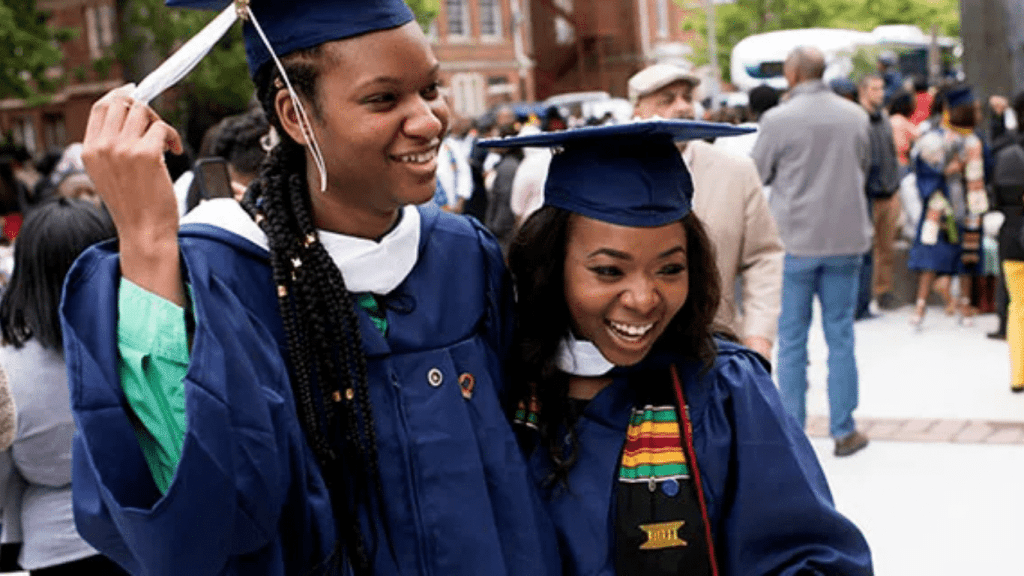
Black Utahns represent many people who dedicate religious commitment to their lives equally with other state inhabitants. Utah’s religious composition mainly consists of Mormons, yet various Black individuals practice their beliefs from African American Christian denominations, Islamic traditions, and other faiths. Through their religious settings, Black Utahns develop community networks that provide both solidarity and support against the white majority demographic in this state.
Education and Youth Development in the Black Community
Black community youth benefit critically from these programs, which help them gain access to higher education and professional opportunities. The growing Black population of Utah depends heavily on successful youth education outcomes to reach sustainable achievement in the future.
The Role of Black-Owned Businesses in Utah’s Economy
The number of business enterprises operated by Black owners in Utah has increased steadily during recent years thus creating more diversity across the state economy. Black entrepreneurs create a broad range of contributions to Utah’s business environment by establishing restaurants alongside salons, startups, and consulting firms. Throughout Utah, Black-owned businesses provide financial prospects to their residents while functioning as gathering spots which foster networking events and create mutual support networks.
Interracial Relations and Utah’s Black Population
The increasing number of Black residents in Utah creates new patterns of interracial relationships throughout the state. Numerous Utah residents face racial challenges while they strive to build connections between people from different racial backgrounds. Organizations that focus on Black advocacy make sustained efforts to boost public awareness related to racial discrimination and equality issues. The state must develop strong capacities to encourage racial group understanding and dialogue because both elements will determine the success of a harmonious multicultural nation.
Conclusion
The rapid increase of Black residents in Utah serves as a significant population transformation representing larger migration movements, changing economic opportunities, and societal transformations across the United States. Many successful possibilities exist alongside racial discrimination along with cultural assimilation barriers which Black Utahns currently encounter. The state faces an uncertain future based on its success in resolving these challenges, yet requires effective implementation of programs that support Black residents’ diverse needs and ambitions.
Read more Click Here
Other Articles

What to Do When Visiting Thailand as a Black Traveler

[…] Read more Click Here […]