
Travel by road, rail, or air always comes with the challenge of adequately feeding without sacrificing comfort and quality. Nutritious yet tasty food will ensure hunger pangs do not plague you, thus creating a whole new dimension to journeying. Here is how to choose, prepare and pack food for long journeys
Understanding Travel Needs
Assess your particular needs in planning food for a journey. Consider the length of your trip, available storage options, and all travelers’ preferences or dietary requirements. For instance, more fabulous storage is possible on road trips, whereas the choices should be lightweight and compact for flights. Similarly, knowing whether a traveler is vegetarian, gluten-intolerant, or has allergies will help tailor the food options accordingly.
Travel-Friendly Food Essentials
The food should be of characteristic that is non-complex in terms of storage requirements, not requiring pre-preparation, and non-perishable or semi-perishable without mess creation. Among foods that do not require refrigeration and would travel a long distance, nuts, granola bars, and dried fruits fall into this category. Solid packing of such commodities prevents spills since it keeps its contents fresh.
Hydration and Beverages
Road trips require rehydrating as healthy food. Refillable water bottles must be packed and carried to reduce the number of disposables used. Electrolyte tablets or powdered drink mix are convenient for long rides. Soda and sweetened energy drinks should never be taken as they cause dehydration. Herbal teas sold in travel-size sachet forms are in, but a good companion is required.
Snacks- the traveler must have
Snacks are a sine qua non as part of a roadtrip adventure. A good pre-cooked trail mix, pretzels or crackers are enough for snacking. However, if you want to cook food on your own, then granola bars, muffins and cookies must be baked in advance so they can be packed easily in bite-sized servings to prevent marred cars while dining in the car. Healthy option can be achieved through using vegetable chips and popped-air popcorn as it is crunchy yet feels not hungry.
Ready-to-eat food for traveling
Ready-to-eat foods must be packed for long distances longer than a few hours or days. They are held in more pungent bread, such as ciabatta and whole grains, with densely packed items such as roasted vegetables, cured meat, and hard cheeses. Wraps work fine because they are small enough and don’t fall apart as much as one tends to hold on to them.
Pack insulated food jars for hot meals to keep soups, pasta and rice dishes hot for several hours. Choose recipes that do not need refrigeration, such as lentil salad, quinoa bowl, or grilled chicken breast. Pack sauces to prevent spoilage and sogginess in foods.
Fruits and vegetables: Convenient Nutrition
Fresh fruits and vegetables are the reservoirs for several nutrients and provide excellent comfort on high-calorie diets compared with snacks and food in high-calorie travel programs. Better travel-friendly foods involve apples, oranges, or baby carrots. Prepare such fruits as cutting some into melon or a cut pineapple; use packets where sealing it leaves no leakage problem. Other great, long-term travel companions will be given apricots, mangoes and raisins, which will have a more intense flavor and become excellent travel companions.
Dairy and Protein
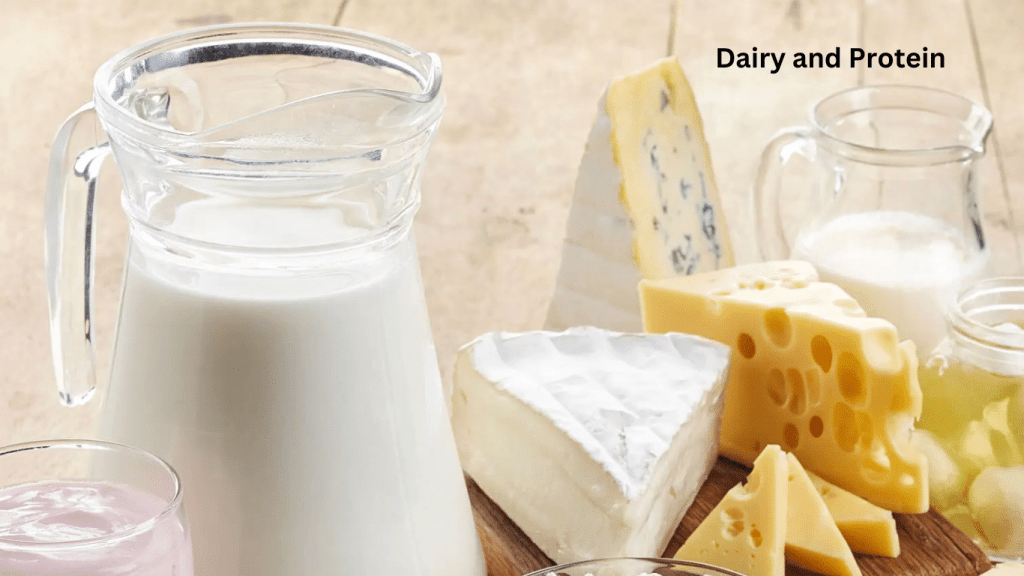
Cheese sticks, hard-boiled eggs, and one-packet yogurt are good protein sources for snack time. Shelf-stable milk or plant-based equivalents in a single service will be a huge convenience when refrigeration is unavailable.
Storage and Organization
Good packing keeps your food fresh and easy to access. Use resealable bags, lightweight containers, or silicone food pouches to minimize portion control with minor spillage. Label every pack with the contents and when it should be consumed if the items are perishable. A small cooler or an insulated bag would elongate the shelf life of foods sensitive to temperature. Pack your utensils, napkins, and compact trash for tidying up.
Tips to Reduce Waste
There are green ways to reduce your travels’ impact on the environment. Avoid using disposable plastics, as this minimizes their disposable use. Carry cloth napkins that can be washed and reused and biodegradable bags to collect waste. Opt for food products requiring fewer packages, and consume your perishable food before it spoils.
Food Safety Management
Food safety is most important in long journeys. Hot foods are kept warm, and cold foods are kept cool with proper storage. Fruits and vegetables should be adequately cleaned before they are packed, and all uncooked or undercooked products that can easily get spoiled are strictly avoided. Ice packs should be checked at intervals so that they remain effective. When food is at a safe consumption temperature, there is less chance of getting food poisoning.
Special Precautions When Traveling by Air
Be aware of the TSA policies regarding liquids and gels. Pack foods, such as yogurt, hummus or sauce, only if they fit within your 3.4-ounce rule for items packed in checked bags. Most solid foods are fine going through airport security. Other alternatives might be more convenient when traveling to and through airports. Pack your snack in resealable food-wrapping bags, leaving the most convenient space for opening and closing the bag quickly as one travels.
International Travel
International traveling is varied; importation laws as to foodstuff may govern what may come into the country of destination, as most countries do not import fresh fruits da, dairy or even meat products. So, best to study the country’s requirements of the destination before arriving to avoid seizure at immigration. If this is not known, the safest alternative would be carrying commercially sealed products because that stands the best chance of getting through as that will raise no questions about its authenticity. Again, local tours of markets will find fresh alternatives for exciting food.
Emergency Kit
Unsought detours or extra travel hours could indicate more reliance on canned provisions than anticipated. Pack a few extra rations, some non-perishable protein bars or canned goods, just for supplementation. Pack a miniature can opener or multi-tool so that a means for emergency rations is within reach and accessible. Buckle up.
Other Articles

Best Cities for Black Nomads Moving from the USA


